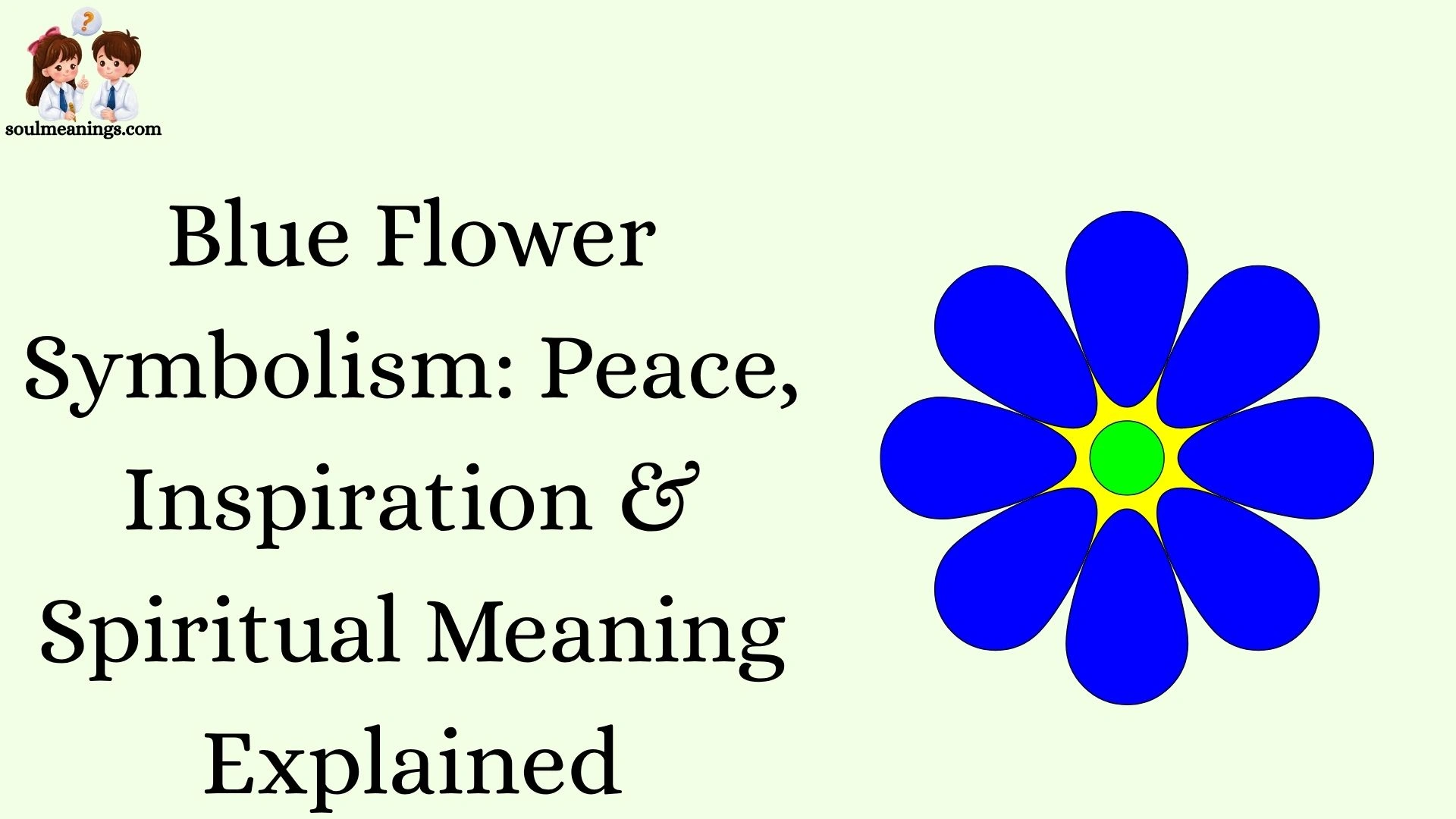
Blue flowers have always stood out in nature because they are rare and calming to the eye. Across cultures and time, people have looked at them as signs of peace, inspiration, and spiritual depth. In modern culture, especially in the United States, these flowers often carry emotional meaning beyond their appearance.
Blue Flower Symbolism: Peace, Inspiration & Spiritual Meaning is more than just a poetic idea. It reflects how humans connect color, nature, and emotion. From gardens to tattoos, blue flowers continue to appear in personal and cultural expressions.
Today, people use them to represent calm energy, inner healing, and thoughtful reflection. Their meaning has evolved over centuries, shaped by art, religion, and human psychology.
Overview of Blue Flower Symbolism
Blue flowers are visually rare in nature, which makes them feel special and meaningful. Their soft color is often linked to sky and water, both calming natural elements.
Why Blue Flowers Stand Out
Blue is not common in wildflowers, which increases symbolic value.
• Represent emotional depth and stillness
• Often seen as calming and peaceful
• Connected to trust and honesty
• Associated with open skies and freedom
• Frequently used in symbolic art
Symbolic Importance in Daily Life
People often use blue flowers to express feelings that are hard to say. They appear in gifts, decorations, and personal reflections.
What Blue Flowers Look Like in Nature and Art
Blue flowers appear in many forms, from tiny wild blooms to large garden plants. Their appearance often influences how people interpret their meaning.
Natural Appearance
In nature, blue flowers often grow in cool or high-altitude environments.
• Delicate petals with soft blue tones
• Sometimes mixed with purple or white
• Often found in wild or mountain regions
• Bloom in spring or early summer
Artistic Representation
Artists often exaggerate their color to highlight emotion and symbolism.
• Used in paintings for calm moods
• Symbol of emotional depth in literature
• Represents dreamlike or spiritual states
Core Meanings at a Glance
Blue flowers carry layered meanings that overlap across cultures and personal interpretations.
Key Symbolic Themes
Their meanings often center on emotional and spiritual ideas.
• Peace and inner calm
• Inspiration and creativity
• Trust and emotional honesty
• Spiritual awareness
• Hope during difficult times
Everyday Interpretation
In daily life, people often see them as gentle reminders to slow down and reflect.
Historical Origins of Blue Flower Symbolism
The symbolism of blue flowers dates back to ancient observations of rare plants and natural color associations. Their rarity made them meaningful early on.
Early Human Associations
Ancient cultures connected blue tones to the sky and divine forces.
• Blue linked to heavens and gods
• Rare flowers seen as sacred signs
• Used in early healing traditions
• Associated with wisdom and truth
Evolution Over Time
As societies evolved, blue flowers gained emotional and artistic meaning rather than purely spiritual ones.
Blue Flower Symbolism in Ancient and Medieval Traditions
In older European and Middle Eastern traditions, blue flowers often represented purity and divine connection.
Medieval Interpretations
During medieval times, blue flowers appeared in religious art.
• Symbol of devotion and faith
• Represented purity of spirit
• Used in illuminated manuscripts
• Connected to heavenly protection
Folklore Connections
Many folk stories treated blue flowers as magical or protective plants.
Symbolism in the United States Today
In the United States, blue flowers are widely associated with emotional wellness and self-expression. They are often used in personal and cultural settings.
Modern American Meaning
Their meaning has become more psychological and emotional.
| Context | Meaning in the USA | Common Associations | Notes |
| Gifts | Peace and care | Friendship, healing | Often used in sympathy bouquets |
| Home decor | Calm atmosphere | Relaxation, balance | Popular in minimalist spaces |
| Wellness culture | Emotional healing | Mindfulness, therapy | Used in calming environments |
| Personal expression | Inner identity | Tattoos, journaling | Reflects personal growth |
Cultural Influence
American media and wellness trends have strengthened the idea of blue flowers as symbols of emotional healing and calm living.
Psychological and Emotional Associations
Blue flowers strongly affect emotional perception due to color psychology. Blue tones naturally slow down mental activity.
Emotional Effects
They often trigger calm and reflective moods.
• Reduce stress and mental tension
• Encourage peaceful thinking
• Support emotional clarity
• Promote feelings of trust
• Inspire gentle optimism
Mental Symbolism
Psychologically, blue flowers represent balance between thought and emotion.
Spiritual Interpretations Across Cultures
Different cultures interpret blue flowers in unique but often overlapping ways. While meanings vary, calmness remains central.
Global Symbolic Views
Across traditions, blue flowers often hold sacred or reflective meanings.
• Eastern traditions: wisdom and spiritual growth
• Western traditions: peace and devotion
• Indigenous symbolism: natural harmony
• Modern spirituality: inner awakening
Shared Themes
Despite differences, most cultures link them to higher awareness and emotional peace.
Blue Flowers in Art, Literature, and Poetry
Blue flowers have long inspired creative expression due to their emotional tone and rarity.
Literary Symbolism
Writers often use blue flowers to represent longing or inner search.
• Symbol of unreachable beauty
• Represents emotional depth
• Used in romantic poetry
• Reflects human longing
Visual Arts
Painters use them to create calm and reflective scenes.
Modern Uses: Tattoos, Decor, and Social Media
Today, blue flowers are widely used in personal identity and digital expression.
Popular Modern Uses
They appear in many creative and personal forms.
• Tattoo designs for emotional healing
• Phone wallpapers and digital art
• Home decor for calm spaces
• Fashion prints and accessories
• Social media symbolism for peace
Personal Identity Meaning
People often choose blue flowers to represent emotional growth or recovery.
Seasonal and Holiday Connections in the USA
Blue flowers are sometimes linked to seasonal celebrations and emotional themes.
Seasonal Symbolism
They are most often associated with spring and early summer.
• Spring renewal and fresh starts
• Summer calm and relaxation
• Memorial reflections in some settings
• Wedding decorations for serenity
Holiday Usage
They appear in events where calm and reflection are central themes.
Misunderstandings and Cultural Sensitivities
Like many symbols, blue flowers can be misunderstood when taken out of context.
Common Misinterpretations
Some people assume fixed meanings that don’t always apply.
• Not all blue flowers mean sadness
• Symbolism changes by culture and context
• Some uses are purely decorative
• Meaning depends on personal interpretation
Cultural Awareness
It’s important to respect that symbolism varies widely and is not universal.
Shifts in Meaning Over Time
The meaning of blue flowers has changed significantly from ancient times to today.
Historical to Modern Shift
Earlier meanings were more spiritual, while modern meanings are more emotional.
• Ancient: divine connection and mystery
• Medieval: purity and faith
• Modern: peace and emotional healing
• Contemporary: personal identity and wellness
Why Meanings Evolve
As societies change, people reinterpret natural symbols to fit modern emotional needs.
FAQs
What does a blue flower symbolize in everyday life?
Blue flowers often symbolize peace, calm, and emotional healing. People use them to express quiet support and understanding.
Are blue flowers spiritual symbols?
Yes, in many traditions they represent spiritual awareness and inner reflection. However, meaning varies across cultures.
Why are blue flowers considered rare?
Natural blue pigments are uncommon in plants, making blue flowers less frequent. This rarity adds to their symbolic value.
What do blue flowers mean in American culture?
In the United States, they often represent emotional balance, calmness, and personal growth. They are widely used in wellness settings.
Can blue flowers symbolize sadness?
Sometimes they are linked to gentle sadness or longing, but not always. They more often represent peace than grief.
Conclusion
Blue flowers continue to hold deep meaning across time and culture. Their symbolism blends peace, inspiration, and emotional clarity in a simple natural form.
In modern life, Blue Flower Symbolism: Peace, Inspiration & Spiritual Meaning reflects how people search for calm and balance in a busy world. These flowers remain gentle reminders of hope, reflection, and inner strength.