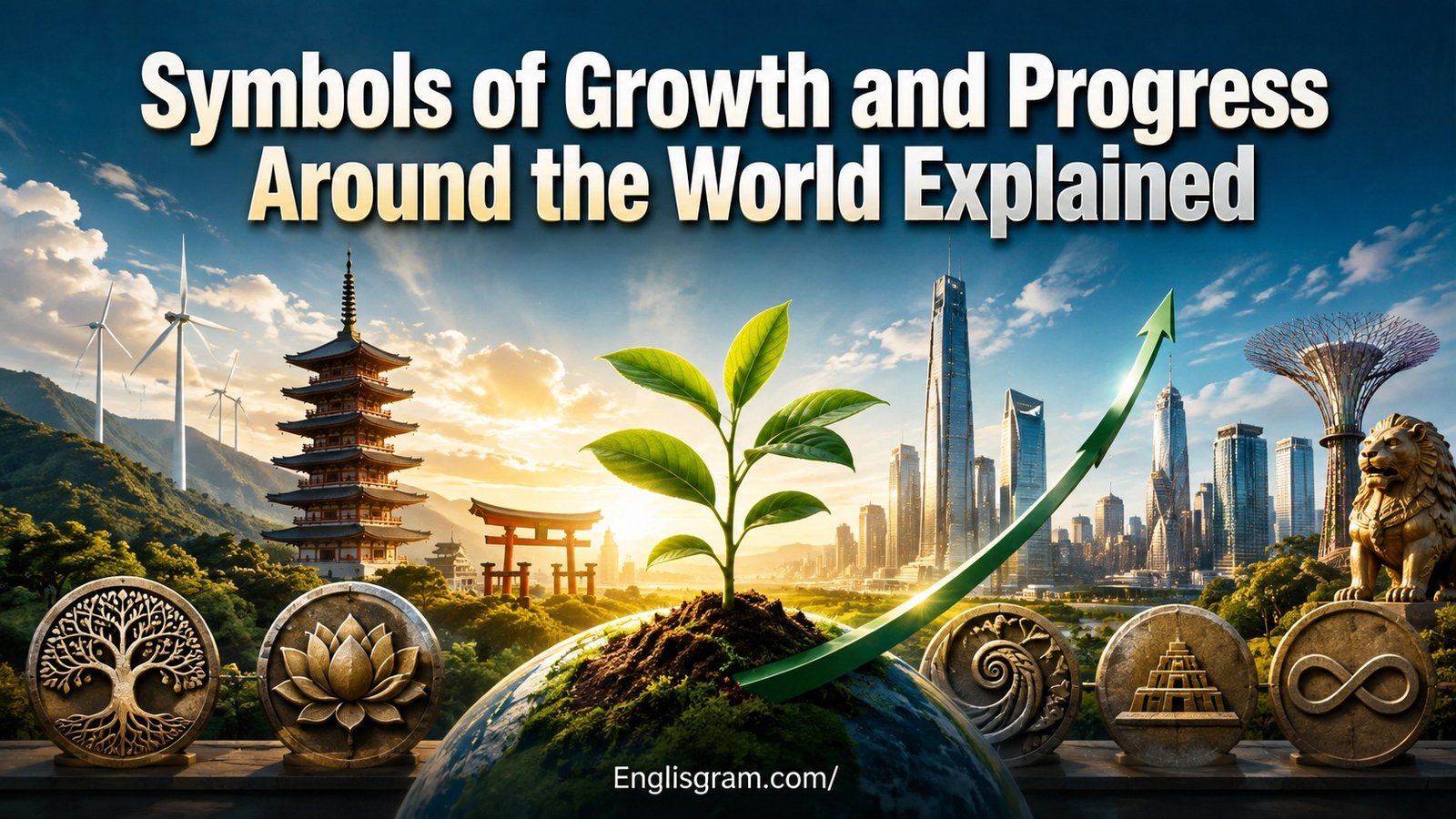
Symbols of Growth and Progress Around the World Explained reveal how cultures connect nature, hope, progress, and renewal together.
The idea of Growth as a fundamental concept still resonates deeply across natural environments and human cultures. A sprouting seed, a flourishing community, and changing seasons often represent development, renewal, and the promise of a better future. Throughout history, human beings have used symbols to communicate complex ideas about change and progress, usually by drawing inspiration from universal patterns found in forests, rivers, and the cycles of nature. In this article, I am tracing the roots of growth symbolism through trees, modern celebrations, and ancient traditions while illustrating their lasting influence on human perceptions and behaviors. From my own experience studying cultural history, I have noticed that almost everyone understands these signs because they connect closely with personal goals, national identity, and the shared dream of forward movement.
The 32 Symbols of Growth and Progress Around the World make it easier to explore how different cultures explain transformation in unique ways. In the United States, growth symbols appear everywhere, from logos and tattoos to classrooms, self-help books, political speeches, and digital images. Many of these traditions stretch back thousands of years to ancient myth, farming, religion, and old storytelling traditions that still speak to people today. They continue to inspire resilience, hope, ambition, and personal transformation. I have personally seen how these symbols quietly shape motivation in daily life, especially in schools and workplaces where Americans often connect success with growth. These ideas also prove that many symbols came from old traditions yet still help people understand progress in modern society.
Quick Answer
Symbols of Growth and Progress Around the World Explained refers to the many signs people use to represent change, renewal, learning, and advancement. In the United States, common symbols include trees, butterflies, spirals, arrows, and rising suns, while other cultures connect growth with spiritual awakening, rebirth, and harmony.
TL;DR
• Trees symbolize strength, patience, and long-term personal growth.
• Butterflies often represent transformation and emotional healing.
• Spirals symbolize evolution, movement, and life’s ongoing journey.
• Americans use growth symbols in tattoos, decor, and motivation culture.
• Ancient cultures linked growth with nature, seasons, and spiritual renewal.
• Some symbols changed meaning through social media and modern branding.
What Are Symbols of Growth and Progress?
Growth symbols help people express improvement, movement, and transformation. Some focus on spiritual development. Others represent education, success, recovery, or emotional maturity.
In the United States, these symbols became deeply tied to self-improvement culture. They appear in schools, therapy spaces, fitness communities, and inspirational media. Because modern life moves quickly, people often look for visual reminders of hope and resilience.
Common Features of Growth Symbols
Many growth symbols share visual patterns connected to nature and movement.
• Upward shapes suggest ambition and advancement.
• Circles often represent cycles and renewal.
• Blooming plants symbolize personal development.
• Wings represent freedom and emotional expansion.
• Light imagery signals clarity and awakening.
• Flowing lines suggest adaptability and progress.
Why People Connect With Them
Growth symbols feel personal because nearly everyone experiences change. They can reflect healing after hardship, career success, spiritual discovery, or emotional recovery.
Today, many Americans choose symbolic jewelry or tattoos because the meaning feels empowering without needing words.
Ancient Origins of Growth Symbolism
Long before modern psychology existed, ancient civilizations connected growth with nature. Farmers watched seeds become crops. Religious traditions linked rebirth with the changing seasons.
These early observations shaped many symbols still used today.
Nature as the First Teacher
Ancient cultures often saw human life reflected in natural cycles.
• Spring symbolized rebirth and opportunity.
• Trees represent wisdom gained through time.
• Rivers symbolized movement and life changes.
• The moon reflected emotional and spiritual cycles.
• Sunrise imagery suggested hope after darkness.
Spiritual Growth in Ancient Traditions
Many old belief systems connected growth with spiritual awakening.
In ancient Egypt, the lotus flower represented rebirth because it opened with sunlight each morning. In Celtic traditions, spirals symbolized continuous evolution. In East Asian traditions, bamboo represents resilience because it bends without breaking.
Although interpretations differed, growth was rarely seen as instant. Instead, it was viewed as gradual and connected to patience.
The Tree as a Universal Symbol of Growth
Trees remain one of the strongest global symbols of progress and maturity. They appear in mythology, religion, psychology, and family traditions.
Americans especially connect trees with stability and legacy. Family trees, community trees, and memorial trees all reflect continuity across generations.
Why Trees Symbolize Growth
Trees grow slowly but steadily. Their roots stay grounded while branches expand outward.
| Context | Meaning in the USA | Common Associations | Notes |
| Education | Intellectual development | Knowledge and learning | Often used in schools |
| Family heritage | Generational connection | Roots and ancestry | Popular in genealogy |
| Mental health | Emotional healing | Stability and resilience | Common in therapy art |
| Spirituality | Inner growth | Wisdom and balance | Used in meditation spaces |
| Environmental activism | Sustainable progress | Renewal and responsibility | Linked to eco-awareness |
The Tree of Life
The Tree of Life appears in many cultures. However, meanings vary slightly.
• Norse traditions connected it with cosmic balance.
• Jewish mysticism linked it with divine understanding.
• Native traditions often viewed trees as sacred life-givers.
• Modern wellness culture connects it with mindfulness.
Today, Tree of Life jewelry and tattoos remain popular in the United States because they combine spirituality with personal meaning.
Butterfly Symbolism and Transformation
Butterflies are strongly associated with transformation. Their life cycle naturally reflects change, healing, and identity shifts.
In American culture, butterflies often symbolize emotional recovery and self-discovery. They became especially popular in mental health conversations and motivational art during the 2020s.
Why Butterflies Represent Progress
A caterpillar completely changes form before becoming a butterfly. Because of this, many people connect butterflies with overcoming difficult periods.
• Personal reinvention after hardship.
• Emotional healing and recovery.
• Entering a new life stage.
• Greater independence and freedom.
• Spiritual awakening and hope.
Modern Butterfly Meanings
Butterfly imagery expanded through fashion and social media.
Today, butterfly tattoos often represent surviving painful experiences. Butterfly decor appears in bedrooms, wellness spaces, and journals because it creates a peaceful feeling.
However, meanings remain personal. Some people simply enjoy the beauty and softness associated with butterflies.
Spirals and the Journey of Progress
Spirals appear in ancient carvings, religious art, and modern design. Unlike straight lines, spirals show movement that continues outward over time.
This idea connects strongly with personal growth because progress rarely happens in a perfect line.
Ancient Spiral Meanings
Spiral symbols appeared in ancient Europe, Indigenous art, and Asian traditions.
• Continuous learning and evolution.
• Expansion of consciousness.
• Natural life cycles and seasons.
• Balance between past and future.
• Spiritual journeys and transformation.
Why Spirals Still Matter Today
Modern Americans often connect spirals with healing and mindfulness. Therapists, yoga spaces, and wellness brands use spiral imagery because it feels calming and reflective.
Spirals also became popular in digital art and tattoos because they suggest ongoing movement rather than perfection.
Lotus Flowers and Spiritual Growth
The lotus flower carries deep spiritual meaning across several Asian traditions. It grows in muddy water but blooms beautifully above the surface.
Because of this contrast, the lotus became a symbol of resilience and enlightenment.
The Meaning Behind the Lotus
The lotus often represents rising above hardship.
• Inner peace after struggle.
• Spiritual awakening and wisdom.
• Purity despite difficult surroundings.
• Emotional resilience and calmness.
• Balance between body and mind.
American Interpretations of the Lotus
In the United States, lotus symbolism often appears in yoga culture, meditation spaces, and wellness branding.
However, some critics argue modern commercial use can oversimplify its sacred roots. Because of this, respectful understanding matters when using culturally significant symbols.
Arrows and Forward Movement
Arrows symbolize direction, purpose, and momentum. Their meaning became especially popular in American motivational culture.
Unlike older spiritual symbols, arrows often focus on determination and future goals.
Why Arrows Represent Progress
An arrow moves forward after tension pulls it backward. Because of this, many people see arrows as reminders that setbacks can create strength.
• Ambition and goal-setting.
• Recovery after failure.
• Courage during uncertainty.
• Staying focused on the future.
• Persistence through challenges.
Arrows in Modern Identity
Arrow tattoos became common during the 2010s and remain popular today. Social media users also pair arrow imagery with quotes about resilience and self-confidence.
Minimalist arrow designs fit modern American aesthetics because they feel simple yet meaningful.
Rising Suns and New Beginnings
The rising sun is one of humanity’s oldest symbols of hope. Across cultures, sunrise imagery represents fresh starts and renewed energy.
Americans often connect sunrise symbolism with motivation and optimism.
Historical Meaning of the Rising Sun
Ancient civilizations depended heavily on sunlight for survival. As a result, sunrise became linked with life itself.
• Renewal after hardship.
• Hope during uncertain times.
• Spiritual enlightenment.
• Daily rebirth and opportunity.
• Energy and vitality.
Modern American Usage
Sunrise imagery appears in travel marketing, wellness culture, and inspirational media. Morning routines and “new day” messaging strengthened its modern meaning.
However, some historical sun symbols carry political or military associations in certain countries. Context matters when interpreting specific designs.
Symbols of Growth in American Culture
The United States strongly emphasizes self-improvement and personal ambition. Because of this, growth symbols often connect with achievement and identity.
American interpretations usually focus less on destiny and more on individual progress.
Common American Associations
• Graduation and educational success.
• Career advancement and entrepreneurship.
• Emotional healing and therapy culture.
• Fitness and wellness transformation.
• Personal freedom and reinvention.
• Recovery from hardship or addiction.
Influence of Media and Pop Culture
Movies, music, and social media helped popularize symbolic imagery tied to growth.
For example, montages showing sunrise runs, blooming flowers, or flying birds became visual shortcuts for personal transformation. These images now appear constantly in digital motivation culture.
Cross-Cultural Meanings of Progress Symbols
Different cultures express growth in different ways. However, many traditions connect progress with harmony, wisdom, and balance.
Understanding these differences helps avoid oversimplifying sacred meanings.
Examples From Around the World
East Asian Traditions
Bamboo symbolizes flexibility and endurance. Cherry blossoms often reflect temporary beauty and life’s short nature.
Indigenous Traditions
Many Indigenous communities connect growth with respect for ancestors, nature, and community responsibility.
African Symbolism
Adinkra symbols from Ghana include signs connected to wisdom, perseverance, and collective progress.
Celtic Traditions
Knots and spirals often symbolize continuity and interconnected life paths.
Emotional and Psychological Meanings
Growth symbols often comfort people during difficult periods. They create a sense of direction and emotional grounding.
Psychologists sometimes note that visual symbols help people organize feelings and identity changes.
Common Emotional Associations
• Hope during uncertain times.
• Confidence after personal setbacks.
• Motivation to continue improving.
• Calmness during emotional healing.
• Connection with larger life meaning.
Why Symbols Feel Powerful
Humans naturally respond to stories and images. A symbol can quickly communicate emotions that feel difficult to explain directly.
Because of this, people often choose symbols that reflect private experiences or future goals.
Tattoos, Decor, and Social Media Trends
Modern symbolism now spreads quickly online. Platforms like Instagram and Pinterest helped popularize visual meanings tied to growth and transformation.
Many symbols became part of lifestyle aesthetics.
Popular Tattoo Choices
• Butterflies for transformation and healing.
• Trees for family and personal roots.
• Arrows for resilience and direction.
• Lotus flowers for inner peace.
• Mountains for overcoming obstacles.
Home Decor and Branding
Growth symbols also appear in modern interiors and wellness branding.
Minimalist plant imagery, spirals, moons, and sunrise art often create calming spaces. Businesses use these symbols because they communicate positivity and forward movement.
Misunderstandings and Controversies
Not every symbol keeps one meaning forever. Some symbols changed through politics, commercialization, or cultural misuse.
Because symbols travel across cultures, misunderstandings sometimes happen.
Common Issues
• Sacred symbols used only as fashion trends.
• Ancient meanings simplified for marketing.
• Political groups adopting older symbols.
• Social media spreading incorrect interpretations.
• Cultural meanings removed from historical context.
Why Context Matters
A symbol may mean healing in one culture but nationalism in another. Therefore, understanding history helps avoid confusion.
Most experts encourage respectful curiosity rather than fear about symbolism.
How Meanings Shift Over Time
Symbols evolve because societies evolve. A meaning popular centuries ago may feel outdated today.
Meanwhile, old symbols sometimes return with completely new interpretations.
Examples of Changing Meanings
• Butterflies shifted from beauty symbols to healing symbols.
• Arrows became linked with resilience and mental strength.
• Lotus imagery expanded through wellness culture.
• Tree symbolism gained environmental meaning.
• Spirals became associated with mindfulness movements.
Digital Culture and Symbolism
Internet culture speeds up symbolic change. Images now spread globally within hours.
As a result, younger Americans often combine spiritual, aesthetic, and emotional meanings into one personal interpretation.
FAQs
What are the most common symbols of growth?
Trees, butterflies, spirals, lotus flowers, arrows, and rising suns are among the most common. Each symbolizes progress in different ways, including healing, wisdom, resilience, or transformation.
Why do people use growth symbols in tattoos?
Many people choose them to represent personal change or survival through hardship. Tattoos can also serve as daily reminders of goals and emotional strength.
Are growth symbols spiritual or psychological?
They can be both. Some symbols come from religious traditions, while others reflect emotional healing or self-improvement.
What does a spiral symbolize in modern culture?
Today, spirals often represent life journeys and continuous growth. They also appear in mindfulness and wellness spaces because they feel calming.
Why is the lotus flower connected to growth?
The lotus grows through muddy water before blooming. Because of this, it symbolizes rising above difficulties and finding inner peace.
Can symbols change meaning over time?
Yes. Historical events, media, and social trends can reshape how people interpret symbols. Context always matters.
Conclusion
Symbols help people understand change, hope, and personal progress. Across history, humans used nature, shapes, and spiritual imagery to explain emotional and social growth.
Today, Symbols of Growth and Progress Around the World Explained remains meaningful because people still search for direction, healing, and purpose. Whether someone chooses a butterfly tattoo, a tree necklace, or sunrise artwork, these symbols often reflect the same desire: to keep moving forward with strength and meaning.
As cultures continue to connect online, symbolism will likely keep evolving. Yet the human need for growth, renewal, and progress will probably remain timeless.









1 thought on “Symbols of Growth and Progress Around the World Explained”