The Symbolism and Spiritual Feminine Unique Tree of Life Tattoo has become one of the most meaningful tattoo choices in the United States. Many people see it as a symbol of growth, inner strength, healing, and spiritual connection. At the same time, its soft branches, circular forms, and deep roots give it a feminine and personal feel.
Today, Tree of Life tattoos appear across social media, wellness culture, and modern tattoo art. Some designs are minimal and elegant. Others include moons, flowers, sacred geometry, or family symbols. Because of this flexibility, the tattoo often reflects identity, spirituality, and emotional healing.
The symbol itself is much older than modern tattoo culture. Variations of the Tree of Life appeared in ancient mythology, early spiritual traditions, and religious art long before tattoos became mainstream in America. Over time, its meaning evolved while still keeping themes of connection, rebirth, wisdom, and life cycles.
What Is a Tree of Life Tattoo?
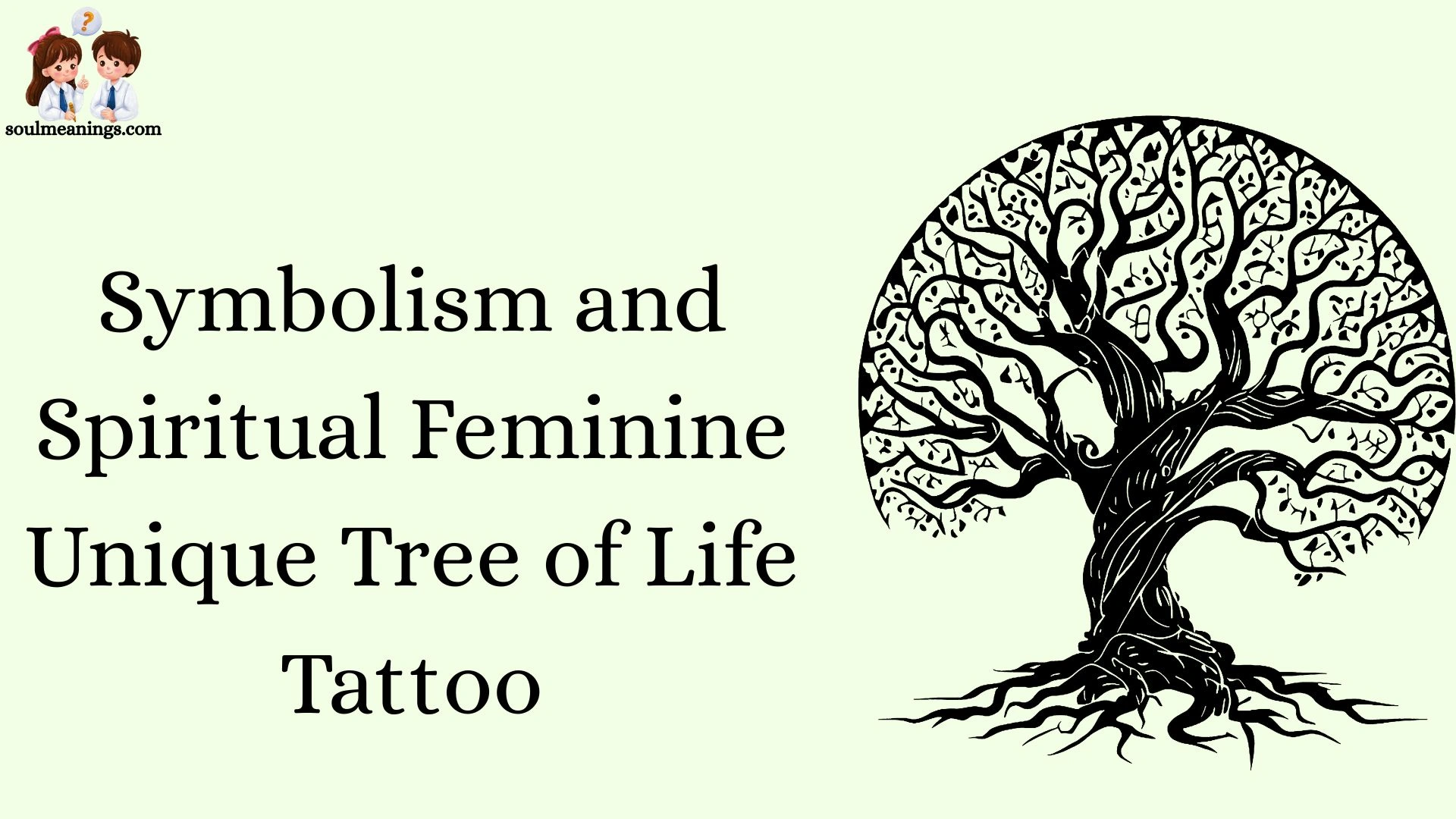
The Tree of Life tattoo usually shows a large tree with spreading branches and visible roots. Most designs place the tree inside a circle, symbolizing unity and the cycle of life. In feminine tattoo styles, artists often soften the lines and add symbolic details.
The Basic Symbolism
The image connects three worlds at once. The roots reach downward, the trunk stands in the present, and the branches stretch upward. Because of this, many people view the tattoo as a bridge between physical life and spiritual awareness.
Common symbolic meanings include:
• Personal growth and emotional healing
• Connection between generations and family history
• Spiritual awakening and inner wisdom
• Balance between strength and softness
• Renewal after hardship or major life changes
• Protection, grounding, and stability
Why Feminine Versions Stand Out
Feminine Tree of Life tattoos often focus on emotional storytelling. Instead of looking bold or aggressive, these designs usually feel flowing, graceful, and deeply personal.
Popular feminine elements include:
• Crescent moons and stars
• Watercolor shading
• Floral branches and vines
• Butterflies or birds
• Sacred geometry circles
• Fine-line minimalist art
Ancient Origins of the Tree of Life Symbol
The Tree of Life did not begin in modern tattoo shops. In fact, versions of this symbol appeared across ancient civilizations thousands of years ago. Although meanings differed slightly, many cultures connected sacred trees with wisdom, life, and divine connection.
Ancient Mesopotamian Roots
Some of the earliest Tree of Life images appeared in Mesopotamia. Ancient carvings showed stylized trees beside kings and gods. Historians believe these images symbolized divine order, fertility, and eternal life.
Because trees survive storms and seasons, they became natural symbols of endurance and continuity.
Norse Mythology and Yggdrasil
In Norse mythology, the cosmic tree Yggdrasil connected different worlds together. The giant ash tree linked heaven, earth, and the underworld.
This idea strongly shaped modern spiritual interpretations of Tree of Life tattoos. Today, many people still connect the tattoo with:
• Universal connection
• Spiritual journeys
• Destiny and wisdom
• Cycles of death and rebirth
Celtic Tree Symbolism
Celtic traditions also treated trees as sacred beings. Ancient Celts believed trees held spiritual energy and wisdom. Their famous Tree of Life designs often featured intertwined branches and roots.
This style still influences modern tattoo art, especially circular Tree of Life patterns.
Spiritual Meaning of Feminine Tree of Life Tattoos
In modern spiritual culture, feminine Tree of Life tattoos often represent emotional depth and intuitive power. Many Americans choose these tattoos during periods of healing, self-discovery, or personal transformation.
Divine Feminine Energy
The tattoo is frequently connected to feminine spiritual themes such as nurturing, creativity, intuition, and emotional wisdom. Because trees grow slowly yet remain strong, they mirror how many people view personal growth.
Some spiritual communities also connect the tree with sacred feminine energy and motherhood.
Healing and Rebirth
Many people get Tree of Life tattoos after major life changes. For example, the tattoo may follow grief, divorce, recovery, motherhood, or emotional healing.
The symbol can represent:
• Starting over after hardship
• Finding emotional balance
• Reconnecting with identity
• Spiritual rebirth and renewal
• Letting go of the past
Connection to Nature
Modern wellness culture in the USA often values grounding and mindfulness. As a result, Tree of Life tattoos sometimes reflect a desire to reconnect with nature and slower living.
Symbolism of Roots, Branches, and Circles
Each part of the Tree of Life tattoo carries its own meaning. Together, these elements create a complete symbolic story.
What the Roots Symbolize
Roots usually represent stability and ancestry. They remind people where they came from and what supports them emotionally.
Common root meanings include:
• Family and ancestry
• Emotional grounding
• Stability during difficult times
• Childhood memories and heritage
• Inner strength beneath the surface
What the Branches Symbolize
Branches stretch upward and outward. Therefore, they often symbolize growth, possibility, and future goals.
Branches can represent:
• Spiritual expansion
• Dreams and ambitions
• Personal evolution
• Wisdom gained through experience
• Openness to new opportunities
Why the Circle Matters
The circle around the tree often symbolizes eternity and life cycles. It suggests that beginnings and endings are connected rather than separate.
Tree of Life Tattoo Meanings in American Culture
In the United States, Tree of Life tattoos became especially popular during the late 2010s and early 2020s. Today, they appear in wellness spaces, tattoo culture, yoga communities, and spiritual self-help movements.
Why Americans Connect With the Symbol
American tattoo culture increasingly values personal meaning over rebellion alone. Because of this shift, symbolic tattoos gained strong popularity.
The Tree of Life appeals to many Americans because it reflects:
• Individual growth and resilience
• Family-centered identity
• Spiritual exploration without strict religion
• Emotional healing and therapy culture
• Nature-focused lifestyles
Modern American Associations
| Context | Meaning in the USA | Common Associations | Notes |
| Wellness culture | Healing and grounding | Yoga, meditation, mindfulness | Often paired with moons |
| Family tattoos | Generational connection | Names, roots, birthdates | Popular among parents |
| Feminine spirituality | Intuition and balance | Crystals, divine feminine themes | Strong online presence |
| Memorial tattoos | Remembering loved ones | Ashes, dates, symbols | Emotional healing focus |
| Minimalist tattoo trends | Simplicity and meaning | Fine-line black ink | Common among younger adults |
Cross-Cultural Meanings of the Tree of Life
Although modern American meanings dominate online discussions, the Tree of Life remains important in many cultures worldwide.
Christianity
In Christianity, the Tree of Life appears in the Garden of Eden and later in the Book of Revelation. It often symbolizes eternal life and divine wisdom.
Judaism and Kabbalah
Jewish mysticism includes the Kabbalistic Tree of Life, which represents spiritual pathways and divine understanding.
Buddhism
Some Buddhist traditions associate sacred trees with enlightenment and spiritual awakening. The Bodhi tree remains one of the most famous examples.
Indigenous Perspectives
Certain Indigenous traditions honor trees as sacred living beings connected to ancestry, nature, and spiritual balance. However, meanings vary greatly among tribes and communities.
Emotional and Psychological Symbolism
Symbols often matter because they reflect emotions people struggle to express directly. The Tree of Life tattoo works this way for many wearers.
Why People Feel Emotionally Attached
The image combines strength and softness at once. Trees bend during storms but rarely stop growing. Because of this, many people emotionally connect the tattoo with survival and resilience.
Common emotional associations include:
• Feeling grounded during uncertainty
• Emotional maturity and wisdom
• Quiet strength instead of aggression
• Protection and emotional security
• Hope after difficult experiences
Identity and Self-Expression
For many women, feminine Tree of Life tattoos symbolize independence while still honoring connection and care. The tattoo may reflect motherhood, spiritual identity, or emotional growth.
Popular Feminine Tree of Life Tattoo Styles
Tattoo artists continue creating new interpretations of the Tree of Life. As trends evolve, feminine designs have become especially creative and symbolic.
Minimalist Fine-Line Tattoos
These designs use thin black lines with little shading. Many people choose them for elegance and subtle symbolism.
Watercolor Tree Tattoos
Watercolor tattoos use soft splashes of color around the tree. They often symbolize emotional freedom and creativity.
Moon and Tree Combinations
Moon symbols add spiritual and feminine meanings. Crescent moons often represent intuition and life cycles.
Family Tree Designs
Some people include names, initials, or birth flowers in the roots and branches.
Popular additions include:
• Butterflies for transformation
• Birds for freedom
• Lotus flowers for spiritual growth
• Mandalas for balance
• Sun and moon combinations
• Heart-shaped roots
Tree of Life Tattoos and Social Media Culture
Social media helped expand the popularity of spiritual tattoos across the United States. Platforms filled with tattoo inspiration transformed symbolic art into a major cultural trend.
Online Aesthetic Trends
Tree of Life tattoos appear frequently in:
• Wellness influencers’ content
• Spiritual lifestyle pages
• Tattoo inspiration boards
• Self-healing and mindfulness communities
• Feminine empowerment discussions
Meaning Over Decoration
Unlike purely decorative tattoos, Tree of Life designs often come with personal stories. Many social media users describe tattoos connected to grief, recovery, motherhood, or spiritual awakening.
Misunderstandings and Cultural Concerns
Although Tree of Life tattoos are widely accepted, some misunderstandings still exist. Context matters because meanings can shift between cultures and spiritual systems.
Not Every Meaning Is Universal
One person may see the tattoo as spiritual. Another may simply enjoy the design aesthetically. Therefore, there is no single “correct” interpretation.
Concerns About Cultural Mixing
Some tattoo designs combine sacred symbols from multiple traditions without understanding their origins. Critics sometimes argue this can oversimplify spiritual beliefs.
However, respectful appreciation differs from mockery or misuse. Most modern Tree of Life tattoos focus on personal meaning rather than cultural imitation.
Spiritual Commercialization
As spiritual imagery became trendy online, some people felt sacred symbols were becoming overly commercialized. Even so, many wearers continue using the symbol sincerely and thoughtfully.
How Tree of Life Symbolism Changed Over Time
The meaning of the Tree of Life evolved significantly over centuries. Ancient societies often connected the symbol with cosmic order or divine power. Today, meanings are usually more personal and emotional.
Older Interpretations
Historically, sacred trees often represented:
• Divine wisdom and immortality
• Cosmic structure and spiritual order
• Fertility and agricultural survival
• Religious protection and sacred knowledge
Modern Interpretations
Modern American meanings usually focus more on self-growth and identity.
Current themes include:
• Mental and emotional healing
• Personal transformation
• Spiritual exploration
• Feminine empowerment
• Family connection and ancestry
Why the Tree of Life Still Resonates Today
Symbols survive when they continue speaking to human emotions. The Tree of Life remains powerful because it feels timeless yet personal.
Universal Human Themes
Almost everyone understands growth, struggle, healing, and connection. The tree visually expresses all these experiences at once.
A Symbol That Feels Personal
Even though millions recognize the symbol, each tattoo still tells a unique story. That balance between universal meaning and personal identity keeps the design emotionally powerful.
FAQs
What does a feminine Tree of Life tattoo symbolize?
It usually symbolizes growth, healing, feminine energy, wisdom, and emotional strength. Many people also connect it with family roots and spiritual balance.
Is the Tree of Life tattoo religious?
Sometimes, but not always. The symbol appears in several religions and spiritual traditions, yet many Americans use it in a personal or non-religious way.
Why do people combine moons with Tree of Life tattoos?
Moons often symbolize intuition, femininity, and life cycles. Together, the symbols create a stronger spiritual and emotional meaning.
Are Tree of Life tattoos connected to family?
Yes. The roots and branches often represent ancestry, generations, and emotional connection between family members.
Is the Tree of Life tattoo considered spiritual?
Many people see it as spiritual because it represents connection, growth, and inner wisdom. However, meanings vary depending on the wearer.
What makes a Tree of Life tattoo unique?
Personal details create uniqueness. Names, flowers, moons, geometric shapes, and custom roots often make each design deeply personal.
Conclusion
The Symbolism and Spiritual Feminine Unique Tree of Life Tattoo continues to resonate because it blends beauty, emotion, history, and identity into one timeless image. Its roots connect people to ancestry and stability, while its branches symbolize hope, healing, and personal growth.
In the United States, the tattoo often reflects modern ideas about self-discovery, emotional resilience, spirituality, and feminine strength. At the same time, its ancient origins give the symbol deeper layers that continue evolving across generations.
For many people, the Tree of Life is more than body art. It becomes a personal reminder that growth takes time, healing is possible, and strong roots can support new beginnings.