
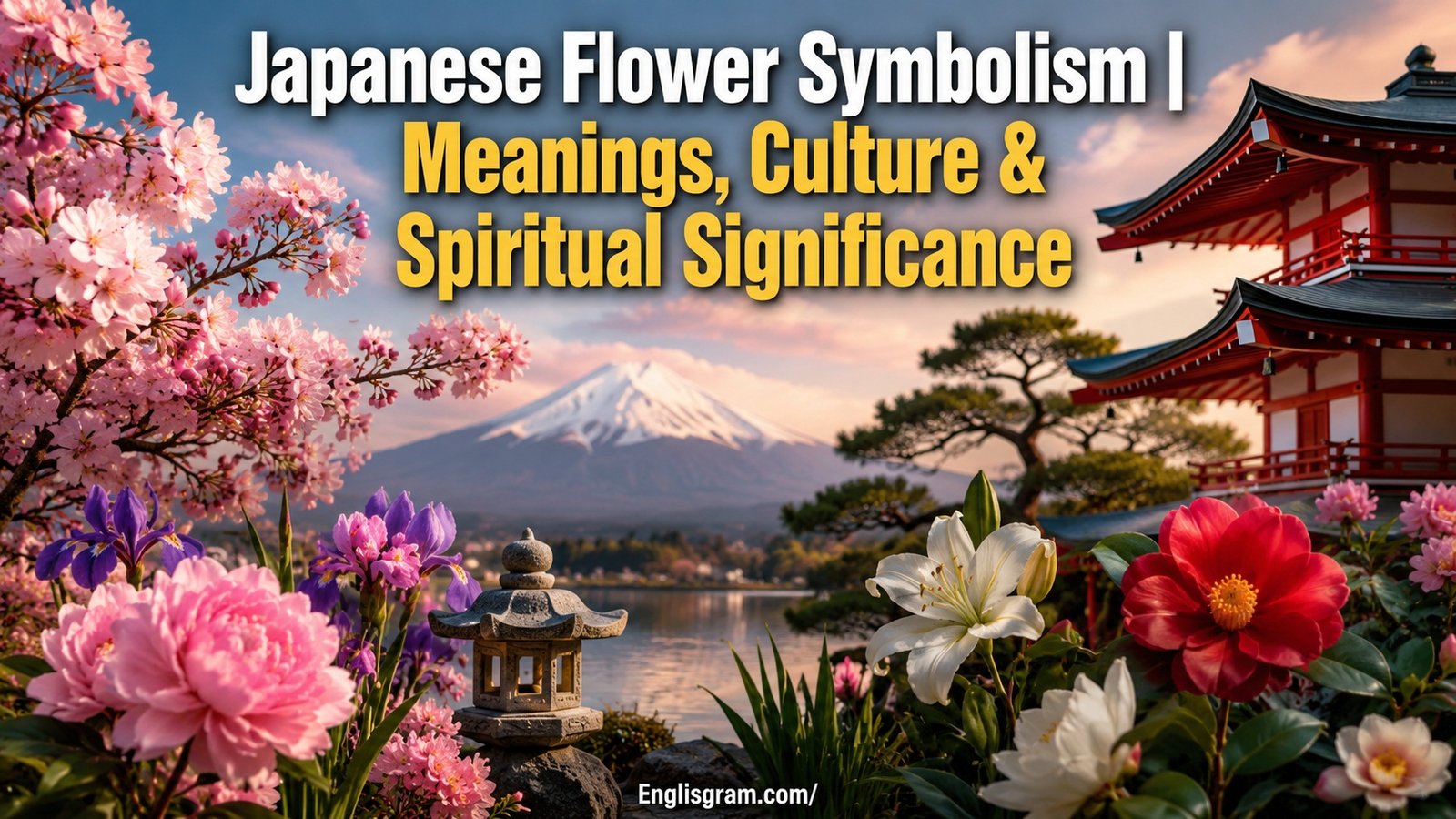
Japanese Flower Symbolism connects seasonal flowers, culture, beauty, and spiritual meaning with the changing seasons and traditions of Japan. In Japan, a temperate climate zone and centuries of tradition have shaped a detailed seasonal system influenced by China, including nijushi-sekki, the twenty-four solar terms, which divide the year into 24 segments.
These ideas help Japanese people understand changes in climate, weather, and seasons, including spring, summer, autumn, winter, and the rainy season, known as tsuyu. Seasonal flowers, plants, and seasonal plants become natural motifs, inspired by the landscape and a uniquely Japanese sense of time, with flowers associated with special meanings.
The solar calendar,, twenty-four, four, one, and segments also help explain seasonal associations, flower symbolism, plant symbolism, cultural meaning, seasonal meaning, Japanese seasons, and seasonal expression. From decoration and decorating to a gift, selection, or bringing nature into the home, these traditions reflect seasonal changes, weather changes, and climate changes.
Quick Answer
Japanese Flower Symbolism | Meanings, Culture & Spiritual Significance often represents renewal, impermanence, harmony, honor, and emotional balance. In the USA, these flowers are commonly associated with mindfulness, natural beauty, peaceful living, and artistic expression, while traditional Japanese culture connects them to spirituality, seasons, and human emotions.
TL;DR
• Cherry blossoms symbolize beauty and life’s temporary nature.
• Chrysanthemums often represent honor, longevity, and happiness.
• Lotus flowers connect with purity and spiritual awakening.
• Japanese flower meanings influence tattoos, decor, and wellness culture.
• Many symbols changed through modern media and global popularity.
• Americans often view Japanese flowers as calming and elegant.
Overview of Japanese Flower Symbolism
Japanese flower symbolism blends nature, emotion, and philosophy. In Japan, flowers are not just decorations. They often represent life lessons, seasons, spiritual ideas, and personal feelings.
For American readers, these meanings feel especially relevant today. Many people seek calmness, mindfulness, and connection with nature. Japanese flower traditions offer symbols that feel gentle yet meaningful.
Flowers as Emotional Symbols
Flowers in Japanese culture often express emotions indirectly. Instead of speaking openly, people historically used flowers to communicate feelings.
• Love through soft seasonal blooms
• Respect through formal floral arrangements
• Grief through white flowers and lilies
• Hope through spring blossoms
• Inner peace through lotus imagery
Nature and Impermanence
A major theme in Japanese symbolism is impermanence. Beauty is admired because it does not last forever.
Cherry blossoms are the clearest example. Their brief blooming season reminds people that life changes quickly. In the USA, this idea strongly connects with mindfulness and emotional reflection.
The Historical Roots of Japanese Flower Meanings
Japanese flower symbolism developed over centuries. It combines influences from Shinto beliefs, Buddhism, imperial traditions, and seasonal customs.
Because flowers appeared in poetry, paintings, and ceremonies, they became powerful cultural symbols rather than simple decorations.
Ancient Shinto Influences
Shinto traditions view nature as spiritually alive. Mountains, rivers, trees, and flowers can hold sacred energy.
Flowers often symbolized:
• Purity and cleansing
• Seasonal renewal
• Harmony between humans and nature
• Respect for natural cycles
• Gratitude toward spiritual forces
Buddhist Symbolism
Buddhism added deeper spiritual meanings to flowers. The lotus became especially important because it rises clean from muddy water.
This symbol taught spiritual growth through struggle. Today, many Americans connect lotus imagery with healing, meditation, and personal transformation.
Imperial and Samurai Connections
Certain flowers gained political or social meaning over time. Chrysanthemums became linked with the Japanese imperial family.
Meanwhile, cherry blossoms connected with samurai ideals because their short lives reflected sacrifice and honor.
Read More: Hammerhead Shark Symbolism: Spiritual Meaning, Christian Insights, Tattoos, Dreams & Deep-Sea Wisdom
Cherry Blossom Symbolism in Modern Culture
Cherry blossoms, called sakura in Japan, are among the world’s most recognized flower symbols. In the United States, they became especially popular through Japanese gardens, festivals, and travel culture.
Today, cherry blossoms symbolize beauty, renewal, and emotional awareness.
Why Cherry Blossoms Matter
Cherry blossoms bloom briefly before falling. This short lifespan created powerful emotional symbolism.
• Beauty that fades quickly
• Appreciating the present moment
• Emotional sensitivity
• Youth and renewal
• The passing of time
Cherry Blossoms in America
Washington, D.C.’s cherry blossom trees helped popularize Japanese flower symbolism across the USA. Festivals now attract millions of visitors yearly.
Americans often associate cherry blossoms with:
| Context | Meaning in the USA | Common Associations | Notes |
| Spring festivals | Renewal and joy | Outdoor celebrations | Seasonal optimism |
| Tattoos | Personal growth | Emotional healing | Popular minimalist design |
| Home decor | Calm elegance | Soft pink aesthetics | Wellness spaces |
| Social media | Peaceful beauty | Mindfulness imagery | Lifestyle branding |
| Weddings | New beginnings | Romance and purity | Spring ceremonies |
Chrysanthemum Meaning in Japanese Tradition
The chrysanthemum has a more formal meaning than cherry blossoms. In Japan, it symbolizes nobility, longevity, dignity, and happiness.
Because of its imperial connections, the flower carries a sense of respect and tradition.
The Imperial Symbol
The chrysanthemum crest became associated with the Japanese emperor centuries ago. Even today, it remains an important national symbol.
However, modern interpretations are broader and less political.
Modern Emotional Associations
In the USA, chrysanthemums often represent:
• Autumn comfort and warmth
• Wisdom gained through age
• Emotional resilience
• Calm maturity
• Respect for family traditions
Unlike in some European cultures, chrysanthemums in Japan are not viewed mainly as funeral flowers.
Lotus Flower Spiritual Meaning
The lotus flower carries some of the strongest spiritual symbolism in Asia. It appears in Buddhist art, meditation spaces, and wellness culture worldwide.
Its meaning feels especially universal today.
Purity Through Struggle
The lotus grows in muddy water but blooms clean above the surface. Because of this, it became a symbol of rising above hardship.
Many Americans connect lotus imagery with:
• Recovery and healing
• Mental clarity
• Meditation practices
• Spiritual awakening
• Emotional balance
Lotus Tattoos and Wellness Culture
Lotus tattoos became increasingly popular in the USA during the wellness movement of the 2010s and 2020s.
Today, they often signal personal transformation rather than religious identity.
Wisteria Symbolism and Emotional Meaning
Wisteria symbolizes grace, elegance, devotion, and emotional depth. Its long hanging flowers create a dreamlike appearance that feels peaceful and romantic.
In Japan, wisteria also carried status symbolism historically because aristocrats admired it.
Modern Aesthetic Appeal
Wisteria became highly popular online because of its soft and calming visuals.
• Cottagecore aesthetics
• Romantic photography
• Relaxation-themed decor
• Anime-inspired artwork
• Garden inspiration content
Psychological Associations
People often emotionally connect wisteria with nostalgia and softness. Its flowing shape creates a sense of emotional calm.
Because modern life feels stressful, many Americans find these visuals comforting.
Camellia Symbolism in Japanese Culture
Camellias symbolize admiration, elegance, devotion, and quiet strength. Their smooth petals and deep colors give them a refined appearance.
Historically, samurai culture also admired camellias.
Positive Meanings
Camellias often symbolize:
• Inner confidence
• Loyalty and commitment
• Refined beauty
• Emotional endurance
• Quiet determination
Symbolic Complexity
Camellias also developed darker meanings in some contexts because entire blooms fall suddenly from the stem.
Some people linked this image with mortality or sudden endings. However, modern interpretations are usually positive and beauty-focused.
Japanese Flower Symbolism in the USA
Japanese flower meanings became increasingly visible in American culture through art, travel, anime, meditation trends, and gardening.
Today, these symbols often represent emotional wellness and peaceful living.
Popular Modern Uses
• Minimalist tattoo designs
• Japanese-inspired home interiors
• Meditation room decor
• Yoga and wellness branding
• Social media aesthetics
Influence of Japanese Gardens
Japanese gardens across the USA helped introduce these flower meanings to wider audiences. Visitors often associate these spaces with reflection and emotional calm.
This connection strengthened interest in Japanese symbolism overall.
Spiritual and Cross-Cultural Interpretations
Although these flower meanings come from Japan, many cultures developed similar interpretations independently.
However, meanings can shift depending on region and religion.
Shared Themes Across Cultures
Many flower traditions worldwide connect flowers with:
• Renewal and rebirth
• Love and beauty
• Mortality and remembrance
• Spiritual awakening
• Seasonal cycles
Respecting Cultural Origins
Modern global trends sometimes simplify Japanese symbolism into purely aesthetic imagery. While appreciation is common, some critics encourage learning the original cultural context too.
This discussion appears often online, especially regarding tattoos and commercial branding.
Japanese Flower Tattoos and Identity
Flower tattoos inspired by Japanese symbolism remain highly popular in the USA. People often choose these designs because they combine visual beauty with emotional meaning.
Unlike some older tattoo trends, these symbols usually feel personal rather than aggressive.
Common Tattoo Meanings
• Cherry blossoms for temporary beauty
• Lotus flowers for healing journeys
• Chrysanthemums for resilience
• Camellias for strength and loyalty
• Wisteria for emotional softness
Shifting Perceptions
Tattoos once carried strong social stigma in America. Today, flower tattoos are widely accepted and often viewed as artistic or meaningful.
Japanese-inspired designs especially appeal to people seeking symbolic depth.
Japanese Flowers in Art, Fashion, and Social Media
Modern digital culture transformed how people interact with flower symbolism. Japanese flowers now appear constantly in visual trends.
This shift helped younger audiences discover older traditions in new ways.
Popular Visual Trends
• Soft pastel cherry blossom imagery
• Anime-inspired floral scenes
• Nature journaling aesthetics
• Minimal floral line art
• Zen-inspired room styling
Emotional Branding
Many wellness brands use Japanese flower imagery because it communicates calmness and emotional balance.
However, these symbols sometimes lose historical depth when used only for marketing aesthetics.
Misunderstandings and Symbolic Controversies
Flower symbolism may seem simple, but meanings can become complicated across cultures.
Some misunderstandings happen when symbols are removed from their historical background.
Common Misinterpretations
• Assuming all flowers share universal meanings
• Treating sacred symbols as purely decorative
• Confusing Chinese and Japanese traditions
• Oversimplifying Buddhist symbolism
• Ignoring seasonal cultural context
Cultural Appreciation vs. Appropriation
Most cultural sharing happens respectfully. However, debates sometimes appear when traditional symbols become commercial products without context.
Many Japanese artists and writers encourage appreciation that includes curiosity and learning.
How Japanese Flower Meanings Changed Over Time
Flower symbolism is not frozen in history. Meanings shift as societies change.
Today’s interpretations often combine tradition with modern emotional needs.
Traditional vs. Modern Meaning
Historically, flower symbolism connected strongly to religion, poetry, and social status. Today, meanings often focus more on identity and mental wellness.
Modern Revivals
Several older meanings returned through younger generations.
• Interest in slow living
• Mindfulness and meditation culture
• Japanese pop culture influence
• Nature-centered lifestyles
• Handmade artistic traditions
Because of this revival, flower symbolism now feels both ancient and modern at once.
FAQs
What do Japanese flowers symbolize?
Japanese flowers often symbolize beauty, renewal, spirituality, emotional balance, and life’s temporary nature. Different flowers carry different meanings based on history and tradition.
Why are cherry blossoms so important in Japan?
Cherry blossoms symbolize the short and beautiful nature of life. Their brief blooming season reflects change, impermanence, and appreciating the present moment.
What is the spiritual meaning of the lotus flower?
The lotus represents purity, awakening, and rising above hardship. Many people associate it with meditation, healing, and emotional growth.
Are Japanese flower tattoos disrespectful?
Most people view them as respectful when chosen thoughtfully. Learning the flower’s traditional meaning helps avoid shallow or inaccurate interpretations.
What flower represents strength in Japanese symbolism?
Camellias and chrysanthemums often symbolize strength, dignity, and resilience. Lotus flowers also represent overcoming difficulties.
Do Japanese flower meanings differ from Western meanings?
Yes, some meanings differ greatly. For example, chrysanthemums symbolize honor in Japan but may connect with mourning in parts of Europe.
Conclusion
Japanese flowers hold meanings far beyond their appearance. They connect beauty with emotion, spirituality, history, and identity in ways that still resonate strongly today.
For many Americans, Japanese Flower Symbolism | Meanings, Culture & Spiritual Significance offers a peaceful alternative to fast modern life. These flowers remind people to slow down, notice change, and appreciate brief moments of beauty.
Whether someone admires cherry blossoms, lotus flowers, or chrysanthemums, the deeper meanings often point toward the same idea: life changes constantly, yet beauty still matters.









1 thought on “Japanese Flower Symbolism | Meanings, Culture & Spiritual Significance”