The turtle is a symbol that has fascinated humans for centuries, appearing across art, religion, and folklore. Known for its slow, deliberate movements and protective shell, it represents endurance, wisdom, and stability. In the United States, the turtle has gained both spiritual and popular cultural significance, appearing in Native American stories, modern art, and everyday life. Understanding turtle symbolism can reveal insights about patience, resilience, and the rhythms of nature that continue to resonate with contemporary audiences.
From a symbolic perspective, turtles are more than animals—they are archetypes connecting humans to deeper concepts of protection, longevity, and groundedness. Across cultures, they carry layered meanings, making them a powerful symbol for personal reflection and cultural storytelling.
Overview of Turtle Symbolism
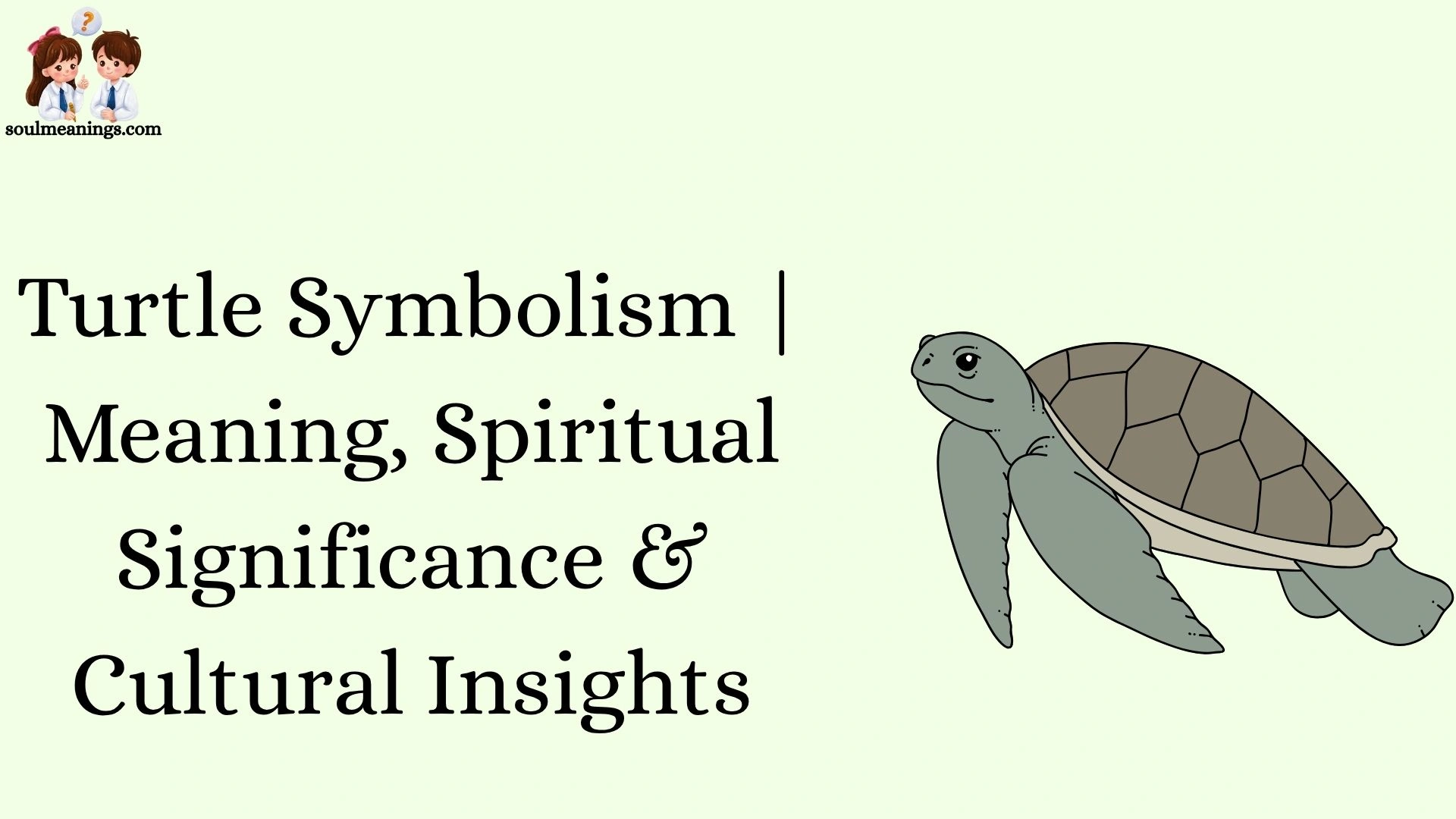
Turtles are instantly recognizable by their hard shells and slow, deliberate movements. They appear in many forms—from realistic depictions in nature art to stylized icons in spiritual or decorative contexts.
Core Symbolism
• Endurance: The turtle’s slow pace reflects steady progress over time.
• Protection: The hard shell signifies safety and self-preservation.
• Longevity: Turtles are often seen as symbols of long life and resilience.
• Patience: Their measured movement inspires mindfulness and deliberate action.
Visual & Contextual Features
• Rounded shells, often brown, green, or patterned.
• Slow walking posture and head tucked for protection.
• Featured in ponds, oceans, gardens, or spiritual imagery.
• Sometimes depicted carrying elements of the earth or water motifs.
Historical Background
Turtle symbolism is ancient, with roots in prehistoric, Indigenous, and mythological contexts.
Ancient Roots
• Native American cultures often see turtles as “carriers of the earth” and wisdom keepers.
• In Chinese mythology, the Black Tortoise represents north, winter, and endurance.
• Hindu stories feature the world resting on a giant turtle, symbolizing cosmic balance.
Evolution Over Time
• Pre-Christian Europe associated turtles with the underworld and protection.
• In African folklore, turtles were tricksters, teaching lessons about patience and cunning.
• Colonial America preserved Indigenous stories, blending them into broader natural symbolism.
Symbolism in the USA
Turtles hold strong symbolic weight in American culture, particularly through Native American traditions.
Native American Significance
• Many tribes, including Iroquois and Lenape, feature turtles in creation myths.
• Symbolizes patience, persistence, and harmony with nature.
• Often used in ceremonies to honor the earth and longevity.
Modern American Context
• Environmental symbols for conservation efforts.
• Featured in children’s books, cartoons, and media promoting slow, thoughtful living.
• Represented in jewelry, home decor, and tattoos as a reminder of grounding and protection.
| Context | Meaning in the USA | Common Associations | Notes |
| Native American myths | Creation, wisdom, earth protector | Patience, longevity, harmony | Central to many origin stories |
| Environmental campaigns | Conservation, endangered species | Nature respect, slow living | Often used for educational purposes |
| Pop culture | Cartoons, movies, games | Patience, quirky personality | Examples: “Teenage Mutant Ninja Turtles” |
| Personal symbolism | Tattoos, jewelry, decor | Protection, endurance, mindfulness | Popular for mindful lifestyle themes |
Cross-Cultural and Spiritual Meanings
While turtles are prominent in the USA, they carry similar yet distinct meanings worldwide.
East Asian Traditions
• Symbol of wisdom, endurance, and celestial balance in China and Japan.
• Often linked to water and longevity.
African Folklore
• Turtles are tricksters and teachers, showing strategy over speed.
• Lessons emphasize patience and cunning.
Hinduism
• Turtles support the cosmos and represent stability and divine order.
Emotional and Psychological Associations
Turtles evoke specific feelings that resonate deeply in the human psyche.
• Calmness: Their measured movements inspire serenity.
• Security: Shells symbolize personal boundaries and protection.
• Patience: Encourage mindfulness and acceptance of life’s pace.
• Groundedness: Linked to staying rooted despite external challenges.
Modern Usage
Turtles are popular in contemporary American culture and lifestyle.
Tattoos
• Often chosen for spiritual or personal meaning.
• Designs highlight shells, longevity, or water associations.
Social Media & Pop Culture
• Emojis, avatars, and GIFs symbolize patience or slow growth.
• Used metaphorically to encourage mindfulness or persistence.
Home Decor & Fashion
• Shell motifs on pillows, jewelry, and art.
• Garden statues and pond decorations evoke peace and grounding.
Misunderstandings and Controversies
While mostly positive, turtle symbolism has occasional misuses.
• Misinterpreted as laziness or sluggishness in casual speech.
• Pop culture depictions can overshadow spiritual or cultural significance.
• Some commercial brands exploit turtle imagery without acknowledging Indigenous or cultural roots.
Shifts Over Time
Turtle symbolism has evolved from mythological to practical and spiritual usage.
• Ancient stories focused on creation, cosmic order, or trickster lessons.
• Modern interpretations emphasize mindfulness, resilience, and eco-conscious living.
• Some older symbolic meanings, like underworld connections, are now niche or symbolic.
FAQs
What does turtle symbolism mean spiritually?
Spiritually, turtles symbolize patience, protection, and enduring wisdom across cultures.
Why is the turtle important in Native American culture?
It often represents creation, harmony with nature, and the carrying of the earth.
Can turtle symbols bring good luck or fortune?
Yes, in many traditions, turtles are seen as guardians that attract longevity and stability.
Why do people get turtle tattoos?
They often reflect protection, mindfulness, or a connection to nature and personal growth.
How is turtle symbolism used in the USA today?
Commonly in decor, media, fashion, and spiritual practices highlighting patience and resilience.
Conclusion
The turtle remains a powerful symbol of patience, wisdom, and protection. Its presence in American culture reflects both ancient Indigenous roots and broader spiritual insights.
From tattoos to home decor, environmental campaigns to mindfulness practices, turtles continue to inspire us to move carefully, value longevity, and honor the natural rhythms of life. Embracing turtle symbolism can remind us to slow down, protect what matters, and approach challenges with steady, thoughtful persistence.