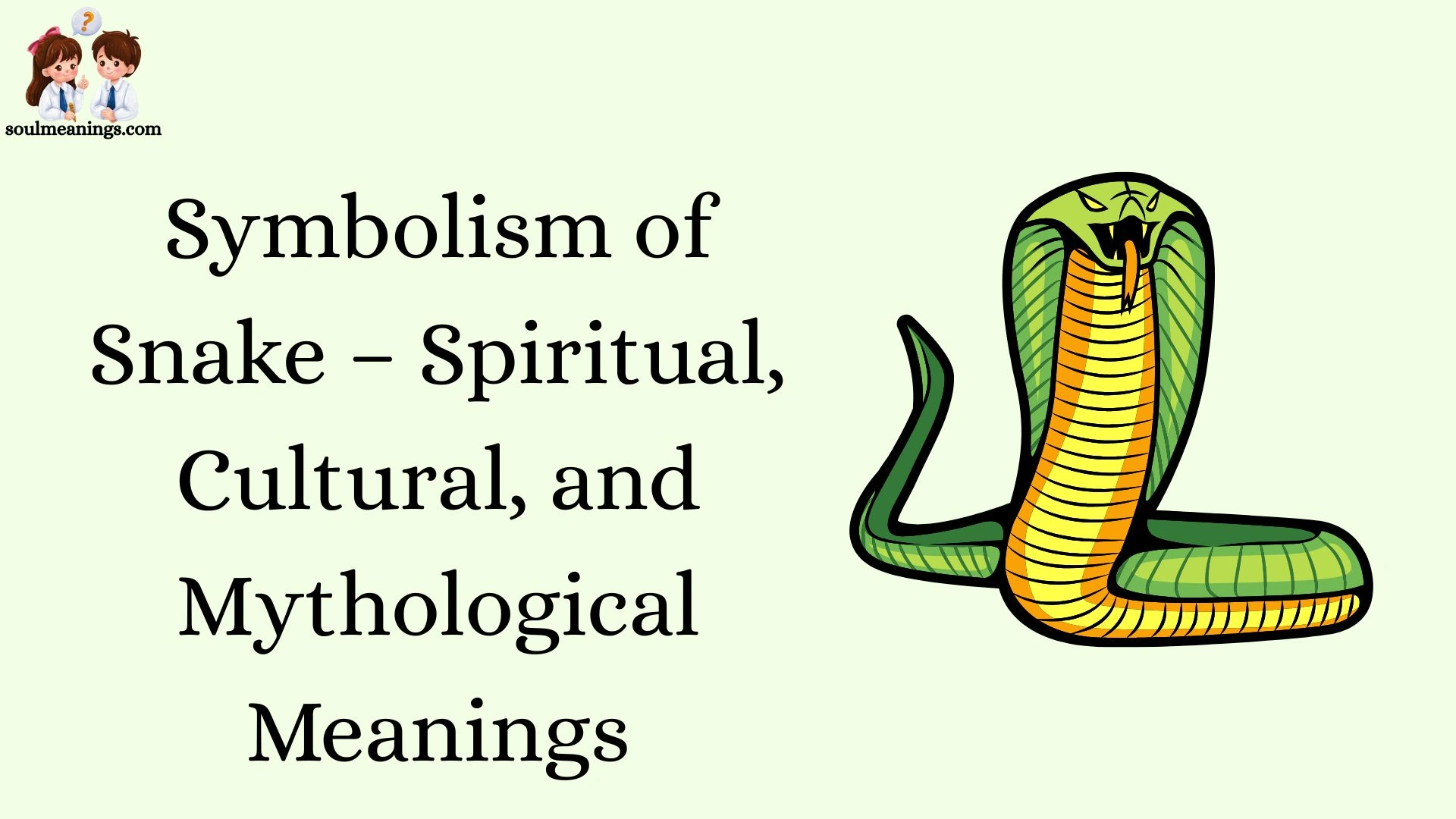
Snakes have fascinated humanity for centuries, carrying deep spiritual, cultural, and mythological meanings across civilizations. The symbolism of snake is complex, often embodying both fear and transformation. In many religions, snakes represent rebirth, healing, and immortality due to their ability to shed their skin. For instance, in Hindu mythology, the Naga symbolizes divine energy and protection, while in Christianity, snakes often signify temptation and sin.
Culturally, snakes appear in art, folklore, and literature, illustrating a range of human emotions from wisdom to danger. In ancient Egypt, the serpent was associated with royalty and eternal life, showing how societies use snake imagery to convey power and mystery. Moreover, in mythological stories worldwide, snakes act as guardians, tricksters, or symbols of fertility, highlighting their versatile symbolic role.
Understanding the spiritual significance of snakes offers insight into human psychology and belief systems. By exploring their mythological and cultural symbolism, one can appreciate how snakes embody transformation, protection, and the duality of good and evil in our collective imagination. This makes the snake a profound symbol that continues to inspire, intrigue, and challenge human perception.
What Is the Symbolism of Snake?
Snake symbolism refers to the deeper meanings humans attach to snakes beyond biology. Across time, people have projected fear, respect, and mystery onto this animal.
Because snakes move without legs and strike quickly, they feel unpredictable. However, because they shed their skin, they also represent renewal and life cycles.
How the Snake’s Appearance Shapes Its Meaning
The snake’s physical traits directly influence its symbolism:
• Shedding skin suggests rebirth and transformation 🔄
• Venom represents danger or hidden power ☠️
• Silent movement signals secrecy and mystery 🤫
• Coiled posture shows readiness and protection 🌀
• Forked tongue suggests duality or deception ⚖️
In the U.S., both positive and negative meanings remain active today.
Ancient and Pre-Christian Roots of Snake Symbolism
Long before modern America existed, ancient civilizations developed powerful snake imagery.
Ancient Egypt: Protection and Chaos
In ancient Egypt, the cobra symbolized royal authority and divine protection. Pharaohs wore serpent symbols on their crowns as a sign of power.
However, another serpent figure represented chaos and destruction. This duality—protector and destroyer—became a recurring theme in world mythology.
• Royal power and divine authority 👑
• Protection against enemies 🛡️
• Cosmic chaos and destruction 🌪️
Ancient Greece: Healing and Medicine
In Greek tradition, snakes were sacred to healing temples. The rod of Asclepius, wrapped with a serpent, still represents medicine today.
• Symbol of healing and renewal 🏥
• Linked to sacred healing rituals 🕊️
• Represented wisdom and life force 🌿
This medical connection remains strong in the United States.
Snake Symbolism in the Bible
For many Americans, snake symbolism is shaped by Christianity.
The Garden of Eden
In the Book of Genesis, the serpent tempts Eve to eat forbidden fruit. Because of this story, snakes became associated with:
• Temptation and moral testing 🍎
• Deception and cunning 🧠
• Sin and spiritual fall ⚠️
However, the Bible also includes positive serpent imagery.
The Bronze Serpent
In another biblical story, Moses raises a bronze serpent to heal the Israelites from snake bites. Looking at it brought healing.
This shows that even within Christianity, snake symbolism is complex.
What Does a Snake Symbolize in America?
In the United States, snake symbolism blends religion, politics, and pop culture.
The “Don’t Tread on Me” Snake
The rattlesnake on the Gadsden flag became a symbol of American independence during the Revolutionary War.
• Resistance against oppression 🇺🇸
• Warning to enemies ⚠️
• Strength through unity 🤝
Today, it can symbolize patriotism or political identity, depending on context.
Regional Associations
Because rattlesnakes are native to parts of the U.S., they also represent the American wilderness.
• Survival and frontier spirit 🌄
• Self-defense and alertness 👀
• Respect for natural danger 🌵
Spiritual Meaning of Snake
Outside formal religion, many Americans explore spiritual symbolism.
In modern spiritual communities, snakes often represent awakening and life energy.
Transformation and Rebirth
Because snakes shed their skin, they symbolize:
• Letting go of the past 🔄
• Personal growth and change 🌱
• Spiritual rebirth ✨
Kundalini Symbolism
In Hindu traditions, the coiled serpent represents spiritual energy at the base of the spine. When awakened, it rises upward.
While this idea comes from South Asia, it has influenced American yoga and meditation communities.
Snake Symbolism in Native American Traditions
Many Native American tribes view snakes with respect rather than fear. Meanings vary by tribe and region.
Common themes include:
• Fertility and rain 🌧️
• Connection to earth energy 🌎
• Protection and healing 🪶
However, traditions differ widely. There is no single “Native American” meaning.
Psychological Meaning of Snake
From a psychological view, snakes often represent the unconscious mind.
Because humans evolved to fear snakes, they trigger deep instinctive reactions.
Common Emotional Associations
• Fear of betrayal 😨
• Hidden desires or instincts 🔍
• Personal transformation 🔁
• Sexual energy and vitality ❤️
In dreams, snakes can represent anxiety. However, they can also signal growth.
Snake Symbolism in Tattoos and Modern Culture
Today, snake tattoos are very popular in the U.S. Their meaning depends on design and context.
Common Tattoo Meanings
• Personal rebirth after hardship 🔥
• Protection and self-defense 🛡️
• Independence and strength 💪
• Mystery and inner power 🌑
Snakes also appear in fashion, jewelry, and social media aesthetics.
Snake Symbolism in Different Contexts (USA Focus)
| Context | Meaning in the USA | Common Associations | Notes |
| Politics | Resistance, warning | “Don’t Tread on Me” | Revolutionary roots |
| Religion | Temptation, sin | Garden of Eden | Strong Christian influence |
| Medicine | Healing, renewal | Medical symbols | Greek origin |
| Spirituality | Awakening energy | Yoga symbolism | Modern adaptation |
| Tattoos | Transformation | Personal growth | Highly individualized |
Misunderstandings and Controversies
Snake symbolism can be controversial.
For example, some political groups use snake imagery strongly. Others see the same symbol as exclusionary.
Similarly, religious interpretations sometimes label snakes purely evil. However, history shows a much broader meaning.
It’s important to separate traditional symbolism from modern political uses.
How Snake Symbolism Has Shifted Over Time
Originally, snakes were often sacred. Later, Western Christianity emphasized negative meanings.
In modern America, however, people are reclaiming positive interpretations.
Today, snakes often symbolize empowerment rather than evil.
Conclusion
The symbolism of snake is rich, multifaceted, and deeply ingrained in human history. Across spiritual, cultural, and mythological contexts, snakes have represented everything from rebirth, wisdom, and protection to temptation, danger, and duality.
Their ability to shed skin makes them a powerful symbol of transformation and renewal, while their presence in myths and folklore highlights the human fascination with the balance of good and evil. From ancient civilizations like Egypt and India to modern literature and art, snakes continue to hold a mysterious yet respected place in human imagination.
Understanding their symbolic meanings allows us to gain insight into collective human values, fears, and spiritual beliefs. The snake reminds us that transformation and growth often come through challenges, and that duality is an intrinsic part of life.
FAQs
1. What does a snake symbolize spiritually?
Spiritually, snakes often represent transformation, healing, rebirth, and divine energy in many religions, including Hinduism and Buddhism.
2. Why are snakes considered symbols of danger?
Snakes can be venomous or unpredictable, which has made them a symbol of fear, temptation, and evil in Christianity and various mythologies.
3. What is the cultural significance of snakes?
Culturally, snakes appear in art, folklore, and literature as guardians, tricksters, and symbols of fertility, wisdom, or power.
4. How do snakes appear in mythology?
In mythology, snakes serve as protectors, spiritual guides, or symbols of immortality. Examples include the Naga in Hindu mythology and the Ouroboros in Greek mythology.
5. Can snakes symbolize positive change?
Yes, their shedding of skin is a universal symbol of renewal, personal growth, and transformation, encouraging self-improvement and evolution.