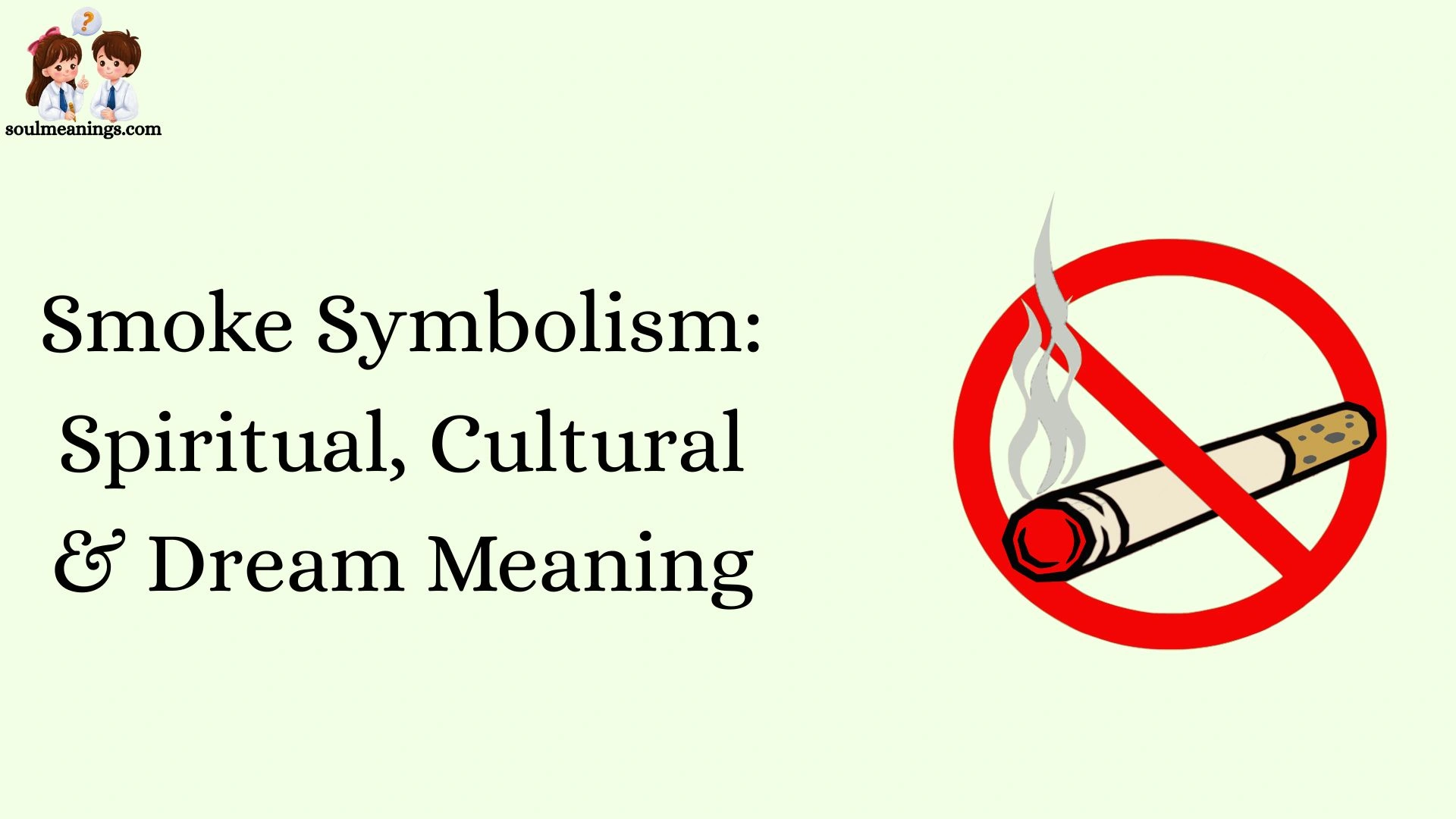
Smoke has fascinated humans for centuries, rising silently yet carrying deep meaning across cultures, religions, and personal experiences. From ancient rituals to modern interpretations, smoke symbolism often represents transformation, mystery, and the connection between the physical and spiritual worlds. Its fleeting nature makes it a powerful symbol of impermanence, reminding us that nothing lasts forever and everything is constantly changing.
In spiritual contexts, smoke is often linked to spiritual communication, serving as a bridge between the earthly realm and higher dimensions. Many traditions use incense or sacred fires, believing that the rising smoke carries prayers and intentions upward. This connection gives smoke a sacred role in purification rituals and energy cleansing practices.
Culturally, smoke has diverse meanings depending on the setting. It can symbolize warning and danger, as seen in fire signals, or represent guidance and protection in indigenous traditions. Meanwhile, in dreams, smoke often reflects confusion, hidden truths, or emotional uncertainty, making dream interpretation an essential part of understanding its message.
What Does Smoke Symbolize?
Smoke is not solid, yet it’s visible. That alone makes it powerful as a symbol. It exists between states—between fire and air—which gives it a strong connection to transformation.
Core Symbolic Meanings
• Transition between one state and another
• Hidden truths or unclear situations
• Communication with the spiritual realm
• Release of energy, emotions, or thoughts
• Warning signs or signals of danger
Because smoke constantly changes shape, it often represents things that are uncertain or temporary. This makes it especially meaningful in emotional or spiritual contexts.
Historical Origins of Smoke Symbolism
To understand smoke symbolism today, it helps to look at how ancient cultures viewed it. Across civilizations, smoke was rarely just smoke—it carried meaning.
Ancient Rituals and Beliefs
In early human history, smoke was tied closely to fire, which itself symbolized life and power. When people burned herbs or incense, the rising smoke was believed to carry prayers upward.
In many ancient societies:
• Smoke acted as a bridge between humans and the divine
• It was used in cleansing rituals to remove negative energy
• It symbolized the soul leaving the body in death
For example, Indigenous traditions in North America used smoke in purification ceremonies. Burning sage or other plants created smoke believed to cleanse both people and spaces.
Evolution Over Time
As societies changed, smoke kept its symbolic role but adapted:
• In medieval Europe, it became linked to mystery and magic
• In religious traditions, it symbolized offerings and devotion
• In modern times, it shifted toward emotional and psychological meaning
Smoke Symbolism in the United States
Today in the U.S., smoke symbolism blends ancient ideas with modern life. It appears in spirituality, media, and everyday experiences.
Cultural and Everyday Meanings
• Smoke from candles symbolizes intention or prayer
• Campfire smoke connects to nostalgia and shared memories
• Cigarette smoke often represents stress or rebellion in media
• Smoke signals confusion or lack of clarity in conversations
In American culture, smoke often carries emotional weight. It can feel calming, like incense in a quiet room, or unsettling, like smoke before a fire.
Symbolism in Media and Pop Culture
Movies and TV often use smoke to create mood:
• Foggy smoke suggests mystery or suspense
• Rising smoke hints at something ending or fading
• Dark smoke signals danger or destruction
Because of this, many Americans instinctively associate smoke with uncertainty or hidden meaning.
Spiritual Meaning of Smoke
Spiritually, smoke is often seen as a connector between worlds. It moves upward, which many interpret as reaching beyond the physical.
Common Spiritual Interpretations
• Connection to higher realms or divine presence
• Cleansing negative energy from spaces or people
• Transformation of the soul or personal growth
• Symbol of prayers rising and being heard
In practices like smudging, smoke plays a central role. It’s not just symbolic—it’s part of a ritual meant to shift energy and intention.
Smoke Symbolism in Dreams
Dreams involving smoke can feel confusing or intense. That’s because smoke often represents something unclear or unresolved.
What Smoke in Dreams May Mean
• Confusion about a situation in waking life
• Hidden truths not yet revealed
• Emotional overwhelm or stress
• A warning to pay attention to something
The context matters. For example:
• Thick black smoke may suggest danger or anxiety
• Light white smoke may point to spiritual insight or peace
Dream smoke often asks you to look closer at what you might be avoiding.
Emotional and Psychological Meaning of Smoke
Emotionally, smoke reflects inner states that are hard to define. It’s tied to feelings that are present but not fully understood.
Psychological Associations
• Uncertainty or lack of clarity
• Letting go of past experiences
• Emotional release after tension
• Feeling lost or overwhelmed
Because smoke fades quickly, it can also symbolize how emotions come and go. It reminds people that even strong feelings are temporary.
Smoke Symbolism Across Cultures
While this article focuses on the U.S., smoke symbolism appears worldwide. Many cultures share similar ideas, though details differ.
Cross-Cultural Themes
• In Eastern traditions, incense smoke represents mindfulness and focus
• In African traditions, smoke connects to ancestors and spiritual guidance
• In European folklore, smoke often links to mystery and magic
Despite differences, one idea remains constant: smoke connects the visible and invisible.
Smoke in Modern Life and Identity
Today, smoke symbolism shows up in everyday choices and personal expression. It’s not just spiritual—it’s also cultural and aesthetic.
Common Modern Uses
• Tattoos of smoke representing change or freedom
• Incense in homes for relaxation and intention
• Social media imagery using smoke for mood or mystery
• Decor elements that mimic smoke-like patterns
In the U.S., smoke often reflects individuality. People use it to express transformation or emotional depth.
Smoke Symbolism in Tattoos and Art
Smoke is a popular design in tattoos and visual art because of its fluid form. It can mean different things depending on how it’s used.
Popular Interpretations in Art
• Flowing smoke symbolizes life’s constant change
• Dark smoke represents struggle or hardship
• Light smoke reflects peace or spiritual growth
• Abstract smoke shows creativity and imagination
Artists often use smoke to add emotion without clear definition. That’s what makes it powerful.
Positive vs Negative Meanings of Smoke
Smoke symbolism is not always positive or negative. It depends on context and interpretation.
Comparison Table
| Context | Meaning in the USA | Common Associations | Notes |
| Spiritual rituals | Cleansing and connection | Incense, sage, prayer | Often calming and intentional |
| Dreams | Confusion or hidden truth | Fog, unclear vision | Depends on smoke color |
| Media | Danger or mystery | Fire, suspense scenes | Often dramatic |
| Daily life | Relaxation or stress | Smoking, candles | Mixed emotional meaning |
| Art & tattoos | Change and transformation | Flowing designs | Highly personal meaning |
Misunderstandings and Controversies
While smoke often has peaceful meanings, it can also be misunderstood or misused.
Important Considerations
• Not all smoke rituals are universal—some are culturally specific
• Using sacred practices without understanding can be insensitive
• Smoke linked to smoking habits may carry health concerns
• Symbolism in media can exaggerate negative meanings
It’s important to approach smoke symbolism with respect, especially when it comes to spiritual traditions.
How Smoke Symbolism Has Changed Over Time
Smoke symbolism has evolved along with human culture. While its core meanings remain, its interpretation has shifted.
Key Changes
• Ancient times focused on spiritual connection
• Middle ages emphasized mystery and magic
• Modern era highlights emotional and psychological meaning
Today, smoke is less about religion and more about personal interpretation. People see it as a reflection of their inner world.
When You Notice Smoke Symbolism in Daily Life
Sometimes, smoke appears in meaningful moments. While not everyone sees symbolism in it, many people do.
Situations Where It Stands Out
• Watching smoke rise during quiet reflection
• Seeing smoke in dreams or repeated imagery
• Noticing it during emotional or life changes
• Experiencing it in rituals or calming spaces
In these moments, smoke can feel like a gentle signal to pause and reflect.
FAQs
What does smoke symbolize spiritually?
Spiritually, smoke often represents connection to higher realms and transformation. It’s also linked to cleansing and releasing negative energy.
Is smoke a good or bad symbol?
It can be both. Smoke may symbolize peace and release, but also confusion or warning, depending on the situation.
What does it mean to dream about smoke?
Dreaming of smoke usually suggests confusion or hidden truths. It may also reflect emotional stress or something unclear in your life.
Why is smoke used in rituals?
Smoke is believed to carry intentions or prayers upward. It also symbolizes cleansing and spiritual communication.
What does black smoke symbolize?
Black smoke often represents danger, negativity, or emotional heaviness. It can signal something that needs attention.
What does white smoke mean?
White smoke usually symbolizes peace, clarity, or spiritual connection. It often has a more positive meaning.
Conclusion
Smoke has always been more than just a physical element. It moves between states, making it a natural symbol of change, mystery, and connection. Across history and cultures, people have looked to it for meaning, guidance, and reflection.
In the United States today, Smoke Symbolism: Spiritual, Cultural & Dream Meaning continues to evolve. It blends ancient beliefs with modern emotions, showing up in dreams, rituals, art, and everyday life.
Ultimately, smoke reminds us that not everything is solid or certain. Some things shift, fade, and transform—and that’s part of being human.