
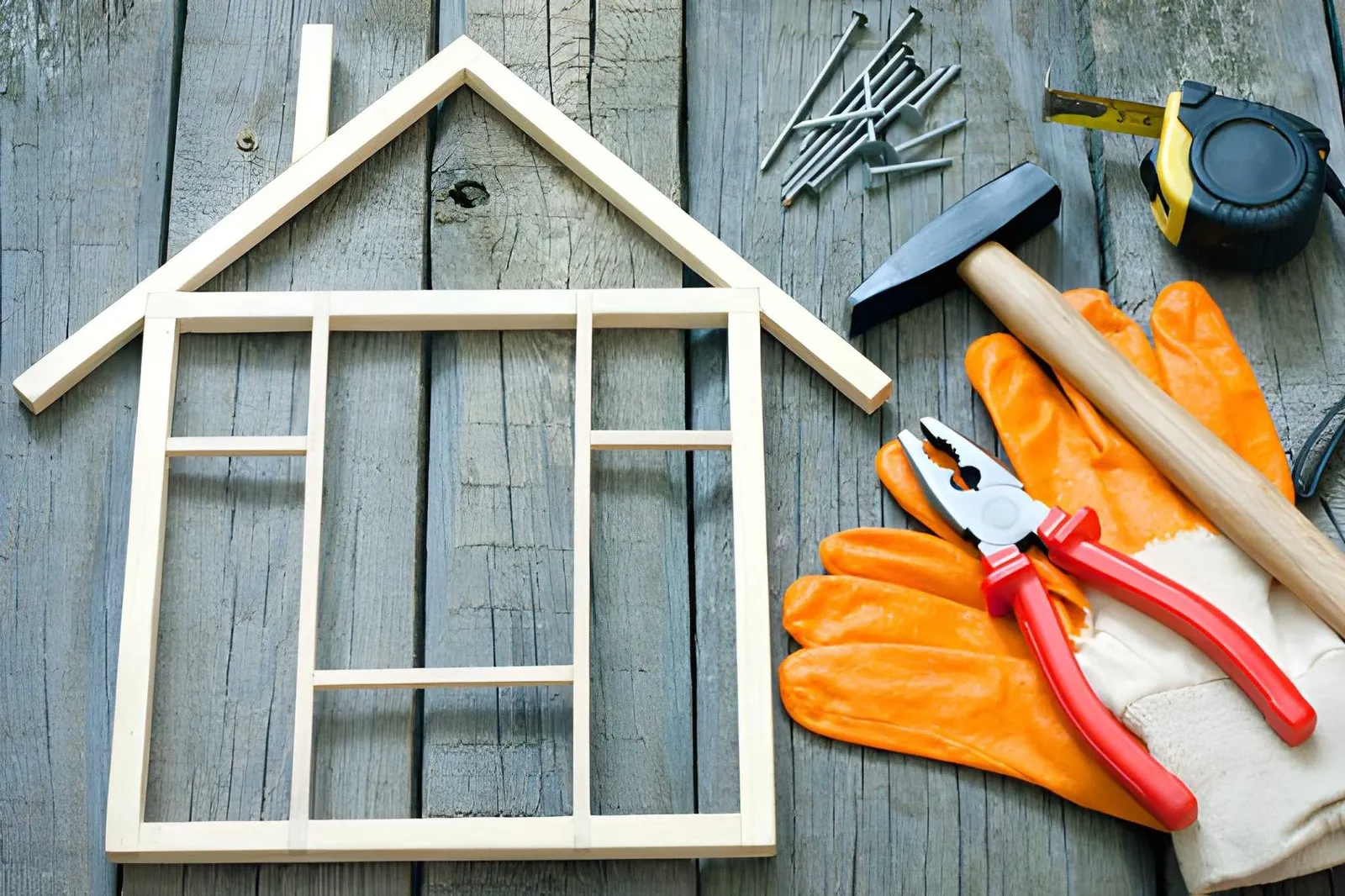
Preparing to sell a house can make every scuff, drip, and squeaky hinge feel urgent. Yet you do not need to make the home perfect. The useful question is which problems could discourage buyers, interfere with an inspection, or make the property harder to price.
Start by walking through your house as a buyer would. Notice what you see from the street, what you touch during a tour, and what happens when you turn on a faucet or adjust the thermostat. Then separate quick fixes from larger projects that need estimates. The repairs below offer a practical starting point before you list your house.
Fix Water Leaks and Moisture Problems
Water damage deserves early attention because a small visible stain may raise questions about a larger hidden problem. Check beneath sinks, around toilets, near windows, and along basement walls. Look for dripping pipes, soft flooring, peeling paint, or recurring dampness.
Find and repair the source of a leak before restoring the damaged surface. Painting over a stain while water is still getting in leaves the problem for the next owner and may lead to trouble during inspection. If you see widespread mold or cannot locate the source, bring in a qualified professional.
Check the Roof and Gutters
You may not need a new roof to sell your house, but visible roof damage is worth investigating. Missing shingles, active leaks, loose flashing, and clogged gutters can all worry buyers. Clean the gutters, address obvious defects, and ask a roofer for an assessment if the roof has a known issue.
A full replacement is a substantial expense, so get an estimate before deciding. Real estate professionals frequently recommend checking roof condition as part of preparing a home for sale. Knowing the likely repair cost also helps you discuss pricing or a buyer credit with your agent.
Make Sure Heating and Cooling Work
Buyers expect the heating and cooling systems to operate during a showing and inspection. Replace a dirty filter, clear debris around an outdoor unit, and schedule service if the system makes unusual noises, leaks, or struggles to reach the set temperature.
Keep any service records and warranty details together. If a major component is failing, compare the cost of repair with the likely effect on your asking price. A working system and clear records give buyers a more accurate picture of the home’s condition.
Address Electrical and Plumbing Faults
A light that does not turn on might need a bulb. Repeatedly tripping breakers or warm outlets call for an electrician. Test accessible switches and fixtures, then have a qualified professional assess anything that appears unsafe. Avoid concealing a fault behind a new cover plate.
Do the same with plumbing. Repair running toilets, dripping faucets, slow drains, and leaks you have been putting off. These problems may be inexpensive to resolve individually, but several of them together can suggest that the house has been poorly maintained.
Refresh Walls, Doors, and Trim
Fresh paint can make rooms look brighter and more cared for, especially when walls have stains, patch marks, or bold colors that distract from the space. Patch holes properly, choose a consistent finish, and paint only where the work will make a noticeable difference. Painting is among the projects real estate professionals commonly recommend before a sale.
While you are moving through each room, repair doors that stick, loose handles, damaged trim, and broken cabinet hinges. Buyers will open doors and drawers. Making them work smoothly helps the house feel ready for its next owner.
Repair Floors Where Damage Stands Out
You may be able to clean a carpet stain or repair a damaged section of flooring without replacing everything. Focus first on loose tiles, lifted edges, deep scratches, and spots that could cause someone to trip.
If a floor needs extensive work, get more than one estimate. Match any proposed replacement to the rest of the home and the expectations for similar listings nearby. An expensive floor upgrade may be difficult to justify if the existing floor is sound and only needs cleaning.
Improve the Entrance and Exterior
The front of your house sets the tone for the showing. Fix a broken gate latch, replace cracked exterior fixtures, secure loose steps or railings, and make sure the front door opens easily. Trim plants that block the walkway and repair obvious damage to siding or fencing.
These jobs also help listing photos show the property clearly. After repairs, wash dirty surfaces and keep paths clear. The goal is a safe, welcoming entrance that accurately reflects the home buyers will see inside.
Decide What to Repair and What to Price In
Before committing to a major project, ask a local real estate agent which issues buyers in your market are likely to notice and which repairs comparable homes already have. Gather written estimates for costly work, including roof or HVAC repairs, even if you are unsure you will complete it.
A buyer may request a repair or credit after an inspection, so having an estimate prepares you for that conversation. The Consumer Financial Protection Bureau notes that buyers may negotiate repairs or a credit when an inspection identifies damaged or worn parts of a home.
Prioritize active leaks, safety concerns, and systems that do not work. Next, tackle visible defects that make the home look neglected. Leave optional upgrades until you know their cost and likely value in your market. Keep receipts and documentation for completed work, and discuss known defects and disclosure requirements with your agent.
Final Thoughts
The best repairs before listing are the ones that help buyers understand the house’s condition and feel confident making an offer. Fix problems you can resolve sensibly, price larger issues with reliable estimates, and give your agent an accurate account of the work. A thoughtful repair plan can make the selling process easier without turning your move into a full renovation.
Also Read About : Renting a House vs. an Apartment: How to Decide


0 comments