The ox is a symbol of strength, diligence, and patience that has carried deep meaning across centuries. In the United States today, ox symbolism appears in cultural narratives, folklore, art, and even personal expression, reflecting qualities Americans value like hard work and resilience.
Historically, oxen were indispensable to farming, transport, and daily life, which cemented their place as symbols of endurance and steadfastness. Beyond practical use, the ox has inspired spiritual and cultural interpretations worldwide, blending myth, religion, and folklore.
Understanding Ox Symbolism helps connect the practical and symbolic roles this animal has played, highlighting why it remains relevant in modern American life and cross-cultural contexts.
Overview of Ox Symbolism
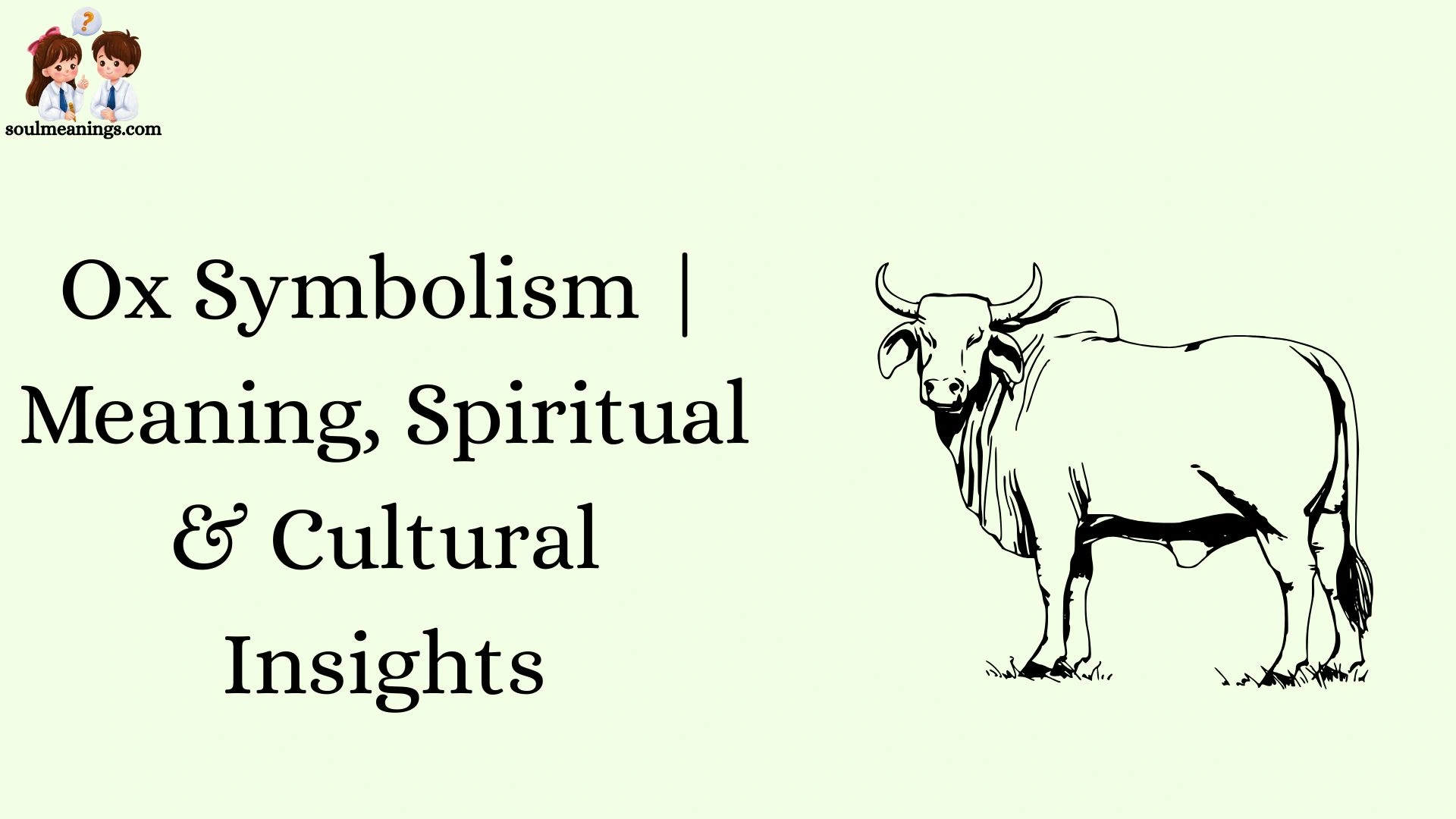
The ox is a large, horned bovine, typically depicted as strong, sturdy, and calm. In illustrations or cultural representations, oxen appear in earthy brown, black, or white hues, often yoked or plowing fields.
Core Meanings
• Strength and physical power.
• Diligence and unwavering effort.
• Reliability and groundedness.
• Patience and endurance in the face of challenges.
Historical Background of the Ox
Ox symbolism has roots in early agrarian societies, where oxen were central to survival and productivity.
Ancient Roots
• In Mesopotamia and Egypt, oxen were linked to fertility and sustenance.
• Pre-Christian Europe revered oxen as sacred animals tied to the earth.
• In Hindu traditions, the Nandi bull serves as a divine ox representing devotion.
Evolution Over Time
• Medieval Europe often depicted oxen in farm scenes and biblical parables.
• Chinese zodiac includes the ox as a symbol of persistence and honesty.
• In the USA, oxen became central to pioneer life and the imagery of the frontier.
Symbolism of the Ox in the USA
Oxen represent core American values: work ethic, dependability, and self-reliance.
Cultural Integration
• Iconic in pioneer and frontier stories as draft animals.
• Featured in art and literature to convey stability and endurance.
• Symbolic in holidays like Thanksgiving as part of agrarian heritage.
Table: Ox Symbolism in American Context
| Context | Meaning in the USA | Common Associations | Notes |
| Pioneer agriculture | Hard work and survival | Steadfastness, perseverance | Reflects frontier spirit |
| American folklore | Strength and reliability | Diligence, endurance | Used in fables and storytelling |
| Art and sculpture | Stability and grounding | Calm, powerful presence | Often depicts ox in pastoral scenes |
| Corporate and brand imagery | Dependability, strength | Resilience, trustworthiness | Represents trust and solidity in messaging |
Cross-Cultural and Spiritual Meanings
The ox holds symbolic significance worldwide, offering insight into broader human values.
Global Perspectives
• China: Ox embodies honesty, patience, and prosperity in the zodiac.
• Hinduism: Nandi the bull signifies devotion, strength, and spiritual guidance.
• Africa: Oxen often symbolize wealth and communal responsibility in traditional societies.
• Europe: Pre-Christian and medieval symbolism linked oxen with fertility and agricultural cycles.
Emotional and Psychological Associations
Ox symbolism evokes emotional and psychological responses that resonate with identity and values.
• Signals steadiness and resilience in life challenges.
• Encourages patience and deliberate progress.
• Evokes feelings of reliability, safety, and grounding.
• Suggests a connection to tradition, heritage, and hard work.
Modern Usage of Ox Symbolism
Today, ox symbolism appears in personal expression, media, and design.
Popular Applications
• Tattoos: Representing strength, diligence, or spiritual grounding.
• Home décor: Farm-themed or rustic designs convey stability.
• Social media and branding: Used to symbolize perseverance and trustworthiness.
• Pop culture: Featured in animations, cartoons, and American folklore adaptations.
Misunderstandings and Controversies
While generally positive, ox symbolism can be misused in certain contexts.
• Political or militant imagery sometimes co-opts oxen for aggressive messaging.
• Misinterpretations of zodiac signs may simplify cultural complexity.
• Commercial exploitation risks disconnecting symbolism from historical context.
• Overuse in decor or branding can reduce its spiritual or emotional impact.
Shifts in Ox Symbolism Over Time
Ox symbolism has evolved, reflecting societal changes and modern sensibilities.
• From practical agricultural animal to cultural and spiritual icon.
• Revival in tattoos and media reflects renewed interest in traditional values.
• Some older religious interpretations are now niche, while pioneer-era meanings endure.
• Modern interpretations increasingly highlight psychological and emotional symbolism over literal farming.
FAQs
What does an ox symbolize spiritually?
Spiritually, the ox represents patience, groundedness, and steady progress.
Why is the ox important in American culture?
It reflects hard work, perseverance, and the pioneering spirit of early settlers.
Can ox symbolism be used in tattoos or decor?
Yes, many people use ox imagery to convey strength, diligence, or spiritual grounding.
Is ox symbolism the same across cultures?
No, it varies. In China, it emphasizes honesty and prosperity, while in Hinduism, it represents devotion.
Are there controversies associated with ox symbolism?
Occasionally, oxen are misused in aggressive political imagery or commercial branding, separate from traditional meaning.
Conclusion
Ox symbolism blends historical, spiritual, and cultural significance, reflecting qualities like strength, patience, and reliability. In the USA, the ox embodies the enduring values of hard work and steadfastness that shaped pioneer life and continue to resonate today.
Whether in art, decor, tattoos, or personal reflection, Ox Symbolism reminds us of the power of patience and grounded resilience. Recognizing its rich heritage offers a meaningful way to connect past lessons to modern life.