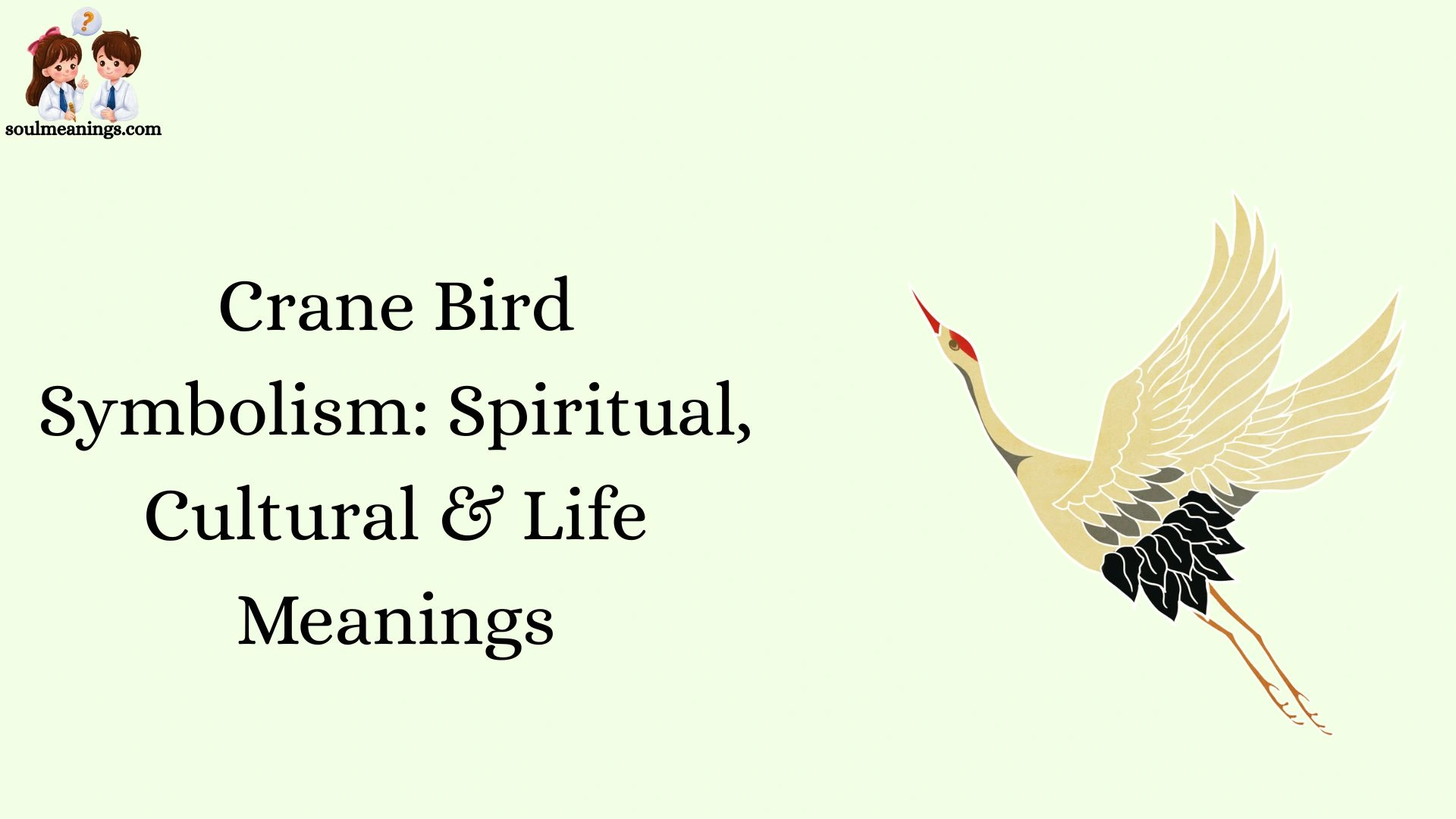
Crane birds have fascinated humans for thousands of years. Their tall posture, graceful flight, and slow movements make them stand out in wetlands and open fields. Because of this striking presence, people across cultures have long attached symbolic meaning to the bird. Crane Bird Symbolism | Spiritual, Cultural & Life Meanings often center on themes like longevity, wisdom, loyalty, and spiritual awareness.
In the United States today, cranes appear in nature photography, wildlife conservation efforts, tattoos, and home décor. Their image also carries echoes of ancient traditions from Asia, Europe, and Indigenous cultures. These layers of meaning blend together in modern American life.
Understanding crane symbolism helps explain why people feel drawn to the bird’s image. Its meanings connect to ideas about patience, balance, and living a long, purposeful life.
Below, we explore how crane symbolism developed, how Americans interpret it today, and why it still resonates in modern culture.
What Is a Crane Bird?
Cranes are tall, long-legged birds found across many parts of the world. Their elegant posture and slow movements often make them appear almost meditative. Because they mate for life and migrate long distances, humans began associating them with loyalty and endurance.
Physical Traits That Inspire Symbolism
Cranes possess several unique features that influence their symbolic meaning.
• Tall stature creates an impression of dignity and awareness.
• Long legs and neck symbolize balance and patience.
• Slow, deliberate movements suggest mindfulness and calm.
• Their loud calls echo across wetlands, signaling communication and connection.
• Graceful flight patterns represent freedom and spiritual journeys.
These traits made cranes powerful symbols long before modern wildlife studies began.
Historical Origins of Crane Symbolism
Human fascination with cranes goes back thousands of years. Ancient cultures observed the birds closely and incorporated them into myths, stories, and art.
Ancient Mythology and Early Symbolism
In early civilizations, cranes were often associated with the heavens and the cycle of life.
• Ancient Greeks believed cranes guided seasonal migration and timekeeping.
• Egyptian art sometimes depicted crane-like birds near sacred waters.
• Early European folklore connected cranes with watchfulness and wisdom.
• Some Native American traditions viewed cranes as messengers of the natural world.
Because cranes migrate in predictable patterns, many early societies saw them as symbols of seasonal renewal.
Symbolic Role in Medieval and Early Modern Culture
During the Middle Ages, cranes appeared in coats of arms and folklore. Their habit of standing on one leg even inspired stories of vigilance and alertness.
Over time, these meanings blended into broader ideas of loyalty, awareness, and long life.
Crane Symbolism in the United States
In the United States, crane symbolism has taken on modern environmental and cultural meanings. These interpretations often connect to wildlife conservation and appreciation of nature.
Cultural Meaning in American Life
Today, Americans often associate cranes with protection of wetlands and wildlife.
• Cranes symbolize endangered species protection and environmental awareness.
• They represent patience and resilience in personal symbolism.
• Birdwatchers see cranes as signs of seasonal change and migration.
• Their graceful image appears in nature photography and wildlife art.
• Some communities celebrate cranes during local wildlife festivals.
One well-known example is the whooping crane, one of North America’s most famous conservation success stories.
Crane Symbolism in U.S. Context
| Context | Meaning in the USA | Common Associations | Notes |
| Wildlife conservation | Hope and species recovery | Whooping cranes, wetlands | Often used by environmental groups |
| Nature appreciation | Calm and beauty | Birdwatching, national parks | Symbol of untouched landscapes |
| Personal symbolism | Balance and patience | Meditation, mindfulness | Appears in tattoos and art |
| Seasonal change | Migration and renewal | Autumn bird migrations | Popular among bird enthusiasts |
| Cultural art | Elegance and grace | Photography, paintings | Common in modern nature décor |
Spiritual Meaning of the Crane Bird
Many spiritual traditions interpret cranes as sacred or mystical animals. Their calm movement and skyward flight contribute to these interpretations.
Symbolic Spiritual Themes
Across spiritual traditions, cranes often represent inner balance and enlightenment.
• Harmony between earth and sky.
• Patience and slow spiritual growth.
• Longevity and eternal wisdom.
• Peaceful living and mindful awareness.
• Guidance during life transitions.
Because cranes move slowly and deliberately, they often symbolize living intentionally rather than rushing through life.
Crane Symbolism in Asian Cultures
Asian traditions hold some of the most famous crane interpretations. These ideas strongly influence modern global symbolism.
Japan and the Thousand Cranes Tradition
In Japan, cranes symbolize happiness and long life. One famous belief says folding one thousand paper cranes can bring good fortune or healing.
This tradition gained worldwide recognition through stories connected to peace movements.
Chinese Cultural Meaning
Chinese symbolism links cranes to immortality and spiritual elevation.
• White cranes represent purity and transcendence.
• Taoist imagery often shows cranes carrying sages to heaven.
• Crane imagery appears in classical paintings and poetry.
These interpretations still influence art and symbolism today.
Native American Perspectives on Crane Birds
Several Indigenous cultures in North America include cranes in their stories and traditions. However, meanings vary widely between nations and regions.
Traditional Interpretations
In many Indigenous traditions, cranes symbolize communication and leadership.
• Some tribes associate cranes with eloquence and diplomacy.
• Crane clans exist in certain tribal social systems.
• The bird sometimes represents wisdom and elder guidance.
Because Indigenous cultures are diverse, these meanings differ depending on the community.
Emotional and Psychological Meaning of Cranes
Symbols often resonate because they reflect human emotions and inner values. Cranes are no exception.
Emotional Associations
Many people feel calm or inspired when seeing crane imagery.
• Balance between work and rest.
• Patience in long journeys or life goals.
• Quiet confidence rather than loud power.
• Hope during difficult transitions.
• Grace in aging and life experience.
Psychologically, cranes often symbolize thoughtful decision-making rather than impulsive action.
Crane Bird Meaning in Tattoos and Art
Crane imagery has become popular in tattoos and visual design. The bird’s elegant shape makes it visually striking while carrying symbolic depth.
Popular Tattoo Interpretations
Crane tattoos often express personal values and life philosophy.
• Longevity and a long, meaningful life.
• Loyalty in relationships and marriage.
• Spiritual awareness and balance.
• Peaceful strength and resilience.
• Respect for nature and wildlife.
Artists frequently depict cranes flying, standing in water, or paired together.
Crane Symbolism in Modern Media and Culture
Modern culture continues to reinterpret crane symbolism in creative ways.
Contemporary Uses
Today cranes appear in many everyday cultural contexts.
• Minimalist home décor designs.
• Meditation and wellness branding.
• Environmental organization logos.
• Social media photography of wildlife.
• Origami crane symbolism in peace movements.
These modern uses blend ancient meaning with current cultural values.
Misunderstandings and Misuse of Crane Symbolism
Although cranes are generally positive symbols, misunderstandings sometimes arise.
Common Confusions
People sometimes confuse cranes with other birds that carry different meanings.
• Herons and cranes are often mistaken for each other.
• Storks sometimes replace cranes in symbolic interpretations.
• Some modern media oversimplify cultural meanings.
Additionally, using sacred cultural symbols without context can create misunderstandings. Respectful appreciation helps avoid these issues.
How Crane Symbolism Has Changed Over Time
Symbol meanings rarely stay fixed. Crane symbolism evolved as cultures changed and knowledge spread.
Historical Shifts
Over centuries, the crane’s meaning adapted to new cultural contexts.
• Ancient societies focused on seasonal cycles and migration.
• Medieval Europe emphasized vigilance and loyalty.
• Asian traditions highlighted immortality and spiritual wisdom.
• Modern America connects cranes to conservation and environmental care.
These evolving meanings show how symbols adapt while keeping their core themes.
Why Cranes Continue to Inspire People
Even today, cranes remain powerful cultural icons. Their symbolism resonates with modern values like mindfulness and ecological awareness.
Lasting Symbolic Qualities
Several qualities explain their enduring appeal.
• Graceful movement that feels calming to watch.
• Strong family bonds and lifelong mates.
• Seasonal migration representing life journeys.
• Distinct calls and elegant flight patterns.
Because these traits remain visible in nature, the symbolism still feels authentic.
FAQs
What does a crane bird symbolize spiritually?
Spiritually, cranes often symbolize longevity, wisdom, and harmony. Many traditions also connect them with peace and spiritual awareness.
Are cranes considered good luck?
Yes, cranes are commonly seen as good-luck symbols. In several cultures they represent prosperity, long life, and positive transformation.
What does a crane symbolize in love?
Because cranes mate for life, they often symbolize loyalty and lasting partnership. Couples sometimes choose crane imagery to represent devotion.
Why are cranes associated with longevity?
Their long lifespans and graceful aging inspired this symbolism. Ancient cultures believed cranes could live for many decades.
What does seeing a crane mean spiritually?
Some people interpret a crane sighting as a reminder to slow down and stay balanced. Others see it as a symbol of patience during important life changes.
Are crane and heron symbolism the same?
Not exactly. While both birds symbolize grace and patience, herons are often associated with independence, while cranes emphasize longevity and loyalty.
Conclusion
Across centuries and cultures, the crane has remained one of the most admired birds in symbolic tradition. Its calm posture, long life, and graceful flight inspired meanings tied to wisdom, patience, and harmony.
In the United States today, Crane Bird Symbolism | Spiritual, Cultural & Life Meanings also reflect modern values like environmental awareness and appreciation for wildlife. From tattoos and art to conservation stories, the crane continues to represent balance between humanity and nature.
Ultimately, crane symbolism reminds us to move through life with patience and grace. Like the bird itself, the message is simple: stand tall, stay balanced, and take the long view of the journey ahead.