
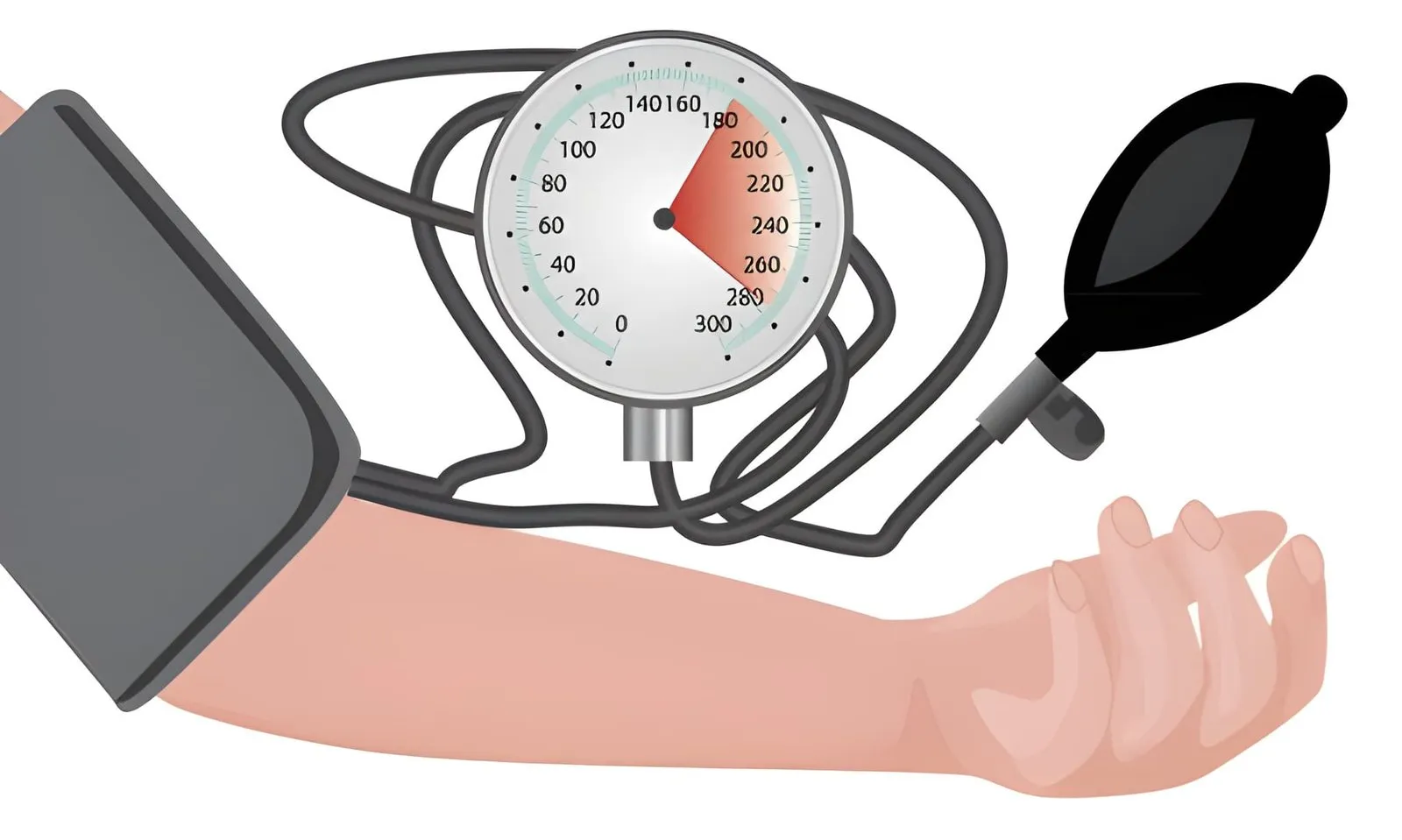
A blood pressure reading takes only a minute, but the two numbers can be confusing. Is 120/80 good? Does a high top number matter if the bottom number is normal? And should you worry about one unusual result?
Understanding blood pressure numbers helps you ask better questions at a checkup and spot changes over time. High blood pressure often has no noticeable symptoms, so measuring it is the best way to know where you stand. This guide explains what the numbers mean, how readings are classified for adults, and how to get a more reliable result.
What Do the Two Blood Pressure Numbers Mean?
Blood pressure is the force of blood pushing against the walls of your arteries. A reading is written as two numbers, such as 118/76 mm Hg. The unit “mm Hg” stands for millimeters of mercury.
The top number, called systolic pressure, measures that force when your heart beats. The bottom number, called diastolic pressure, measures it while your heart relaxes between beats. In a reading of 118/76, the systolic pressure is 118 and the diastolic pressure is 76. Both numbers matter: a high reading in either one can place your blood pressure in a higher category.
Blood Pressure Categories for Adults
The American Heart Association uses these categories to explain adult blood pressure readings:
| Category | Systolic (top number) | Diastolic (bottom number) |
| Normal | Below 120 | And below 80 |
| Elevated | 120–129 | And below 80 |
| Stage 1 hypertension | 130–139 | Or 80–89 |
| Stage 2 hypertension | 140 or higher | Or 90 or higher |
| Severe hypertension | Higher than 180 | And/or higher than 120 |
The words “and” and “or” make a difference. A reading of 126/76 is elevated because the top number is between 120 and 129 while the bottom number is below 80. A reading of 126/84 falls into stage 1 hypertension because its bottom number is 80–89. Similarly, 145/78 falls into stage 2 because its top number is at least 140.
These categories help you interpret a result; they do not mean that one measurement confirms a diagnosis. A healthcare professional can review readings taken on different occasions, consider your health history, and advise you on next steps.
Why Does High Blood Pressure Matter?
When blood pressure stays high, it can damage blood vessels and increase the risk of serious problems, including heart disease and stroke. The difficulty is that you may feel completely well while your readings are high. Regular checks can reveal a pattern long before symptoms appear.
A single result can also be affected by what is happening around you. Activity, caffeine, stress, and the way you sit can influence a measurement. That is why it helps to record readings instead of judging your health by one number. Your healthcare professional can explain what your results mean in the context of your age, medical conditions, and treatment plan.
How to Measure Blood Pressure at Home
Home monitoring can show how your blood pressure behaves outside a medical appointment. To make your readings useful, use a validated upper-arm monitor with a cuff that fits. A cuff that is too large or too small can produce an inaccurate result. Ask a healthcare professional to help you check your device and cuff size if you are unsure.
Before measuring, avoid smoking, exercise, and caffeine for 30 minutes. Sit quietly for at least five minutes. Keep your back supported, feet flat on the floor, and arm resting at heart level. Place the cuff on bare skin, and do not talk while it measures. Follow your clinician’s advice on when and how often to check.
Write down the date, time, and both numbers. Taking readings under similar conditions makes changes easier to spot. If a result seems out of place, sit quietly and repeat it according to your monitor’s instructions. Bring your record to appointments rather than relying on memory.
What If Your Reading Is High?
If your readings are repeatedly elevated or in a hypertension category, arrange a discussion with a healthcare professional. They can assess your overall risk and recommend a plan. Depending on your readings and health history, that plan may include changes to food, activity, and other habits, as well as medication. Do not change or stop prescribed medicine based on a home reading without medical advice.
If a reading is higher than 180 systolic and/or higher than 120 diastolic, wait at least one minute and measure again. If it remains that high, contact a healthcare professional promptly. If you also have symptoms such as chest pain, shortness of breath, weakness, numbness, vision changes, or difficulty speaking, call your local emergency number immediately.
What About Low Blood Pressure?
A lower reading does not always signal a problem. What matters is whether it is unusual for you and whether you have symptoms such as dizziness or fainting. If low readings are accompanied by symptoms, speak with a healthcare professional. They can look for possible causes and decide whether treatment is needed.
The Key Takeaway
To understand blood pressure, look at both numbers and the pattern over time. The top number reflects pressure when the heart beats; the bottom number reflects pressure between beats. An accurate reading, a written record, and a conversation with your healthcare professional give those numbers meaning—and help you decide what to do next.
Also Read About : How to Set Healthy Boundaries With Your Phone




0 comments